
By: Khanh Vu Duc
Naval power rarely changes course through headlines. It changes through personnel. The removal of US Navy Secretary John Phelan and the elevation of Hung Cao as Acting Secretary is one such signal, subtle in form, strategic in implication. In the language of great-power competition, this is not about administrative turnover. It is about whether the United States is preparing a Navy optimized for managerial efficiency or for sustained maritime confrontation in the Indo-Pacific.
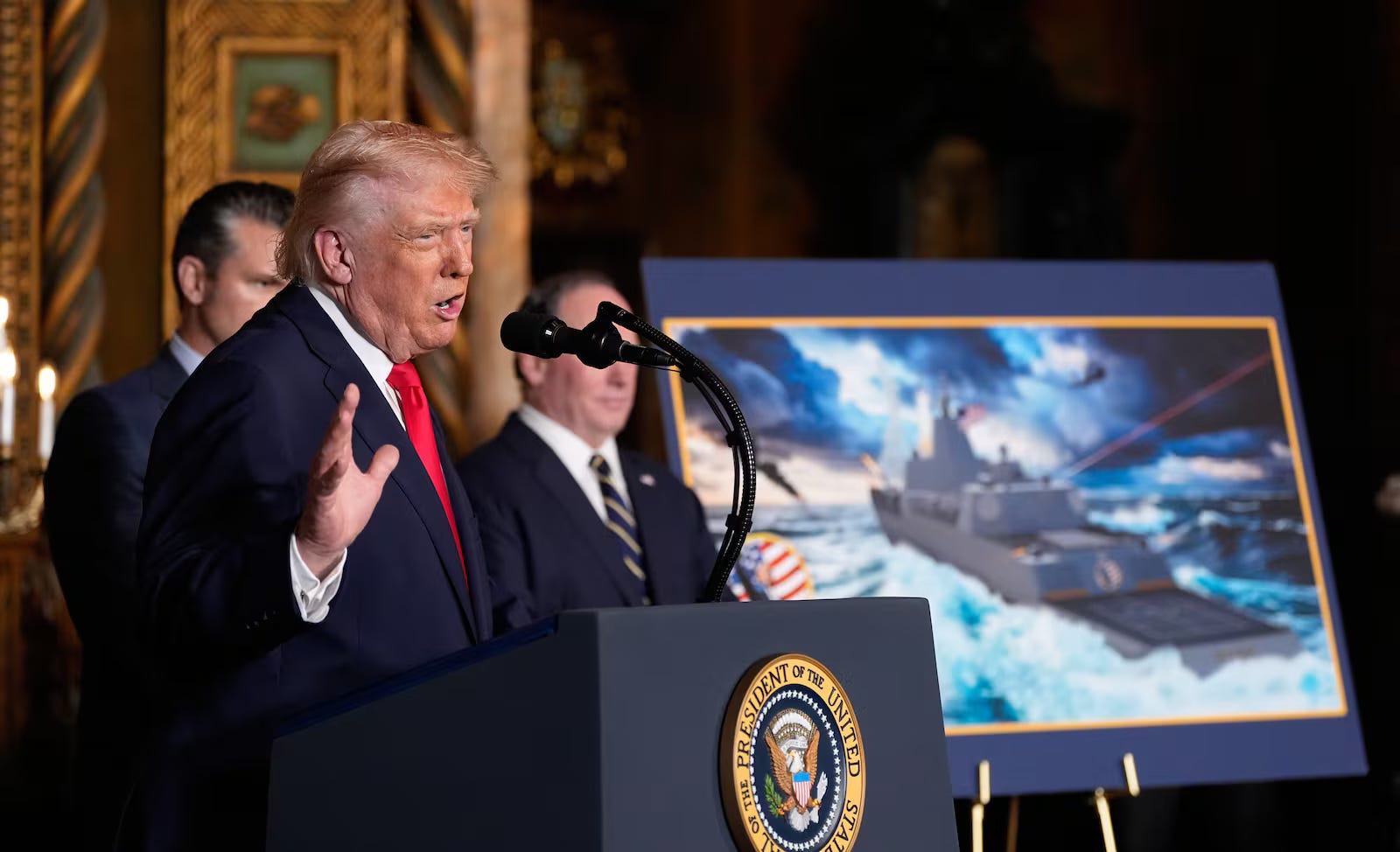
Phelan was forced out last week by Defense Secretary Pete Hegseth, who has delivered a continuing purge of the military’s top brass, often with little public explanation, of the leading generals and admirals of nearly every branch of service except for the Marine Corps and Space Force. The firing appears to have been at the behest of Donald Trump, who grew tired of Phelan’s inability to build a “Trump-class” battleship, although battleships have been obsolete since World War II, and no shipyard in the United States is equipped to build a new one, which would likely be obsolete on its arrival for anything the grandiose naval parades. It would be the most expensive US naval ship ever designed if indeed it’s ever built.

Analysts believe Phelan’s ouster signals a significant, abrupt restructuring of the Navy’s civilian leadership and indicates a move toward tightening control over the Navy’s “Golden Fleet” shipbuilding initiatives and aligning leadership with an “America First” business-focused agenda. A quieter question now sits beneath Washington’s decision-making: if deterrence fails, what kind of Navy will be left to fight the first war of the post-unipolar era? This transition suggests an answer is being tested…
This is a preview sent to free subscribers like you. The full content of this article is available exclusively to our paid subscribers. Read the full story here.
To enjoy the complete Asia Sentinel experience and access more in-depth, independent reporting, please consider subscribing for just US$10/month or US$100/year.
Support independent journalism. Subscribe today.