
The Subcontinent’s Philosophical Rupture
The Afghanistan-Pakistan conflict is redrawing South Asia’s power map
By: Kurniawan Arif Maspul
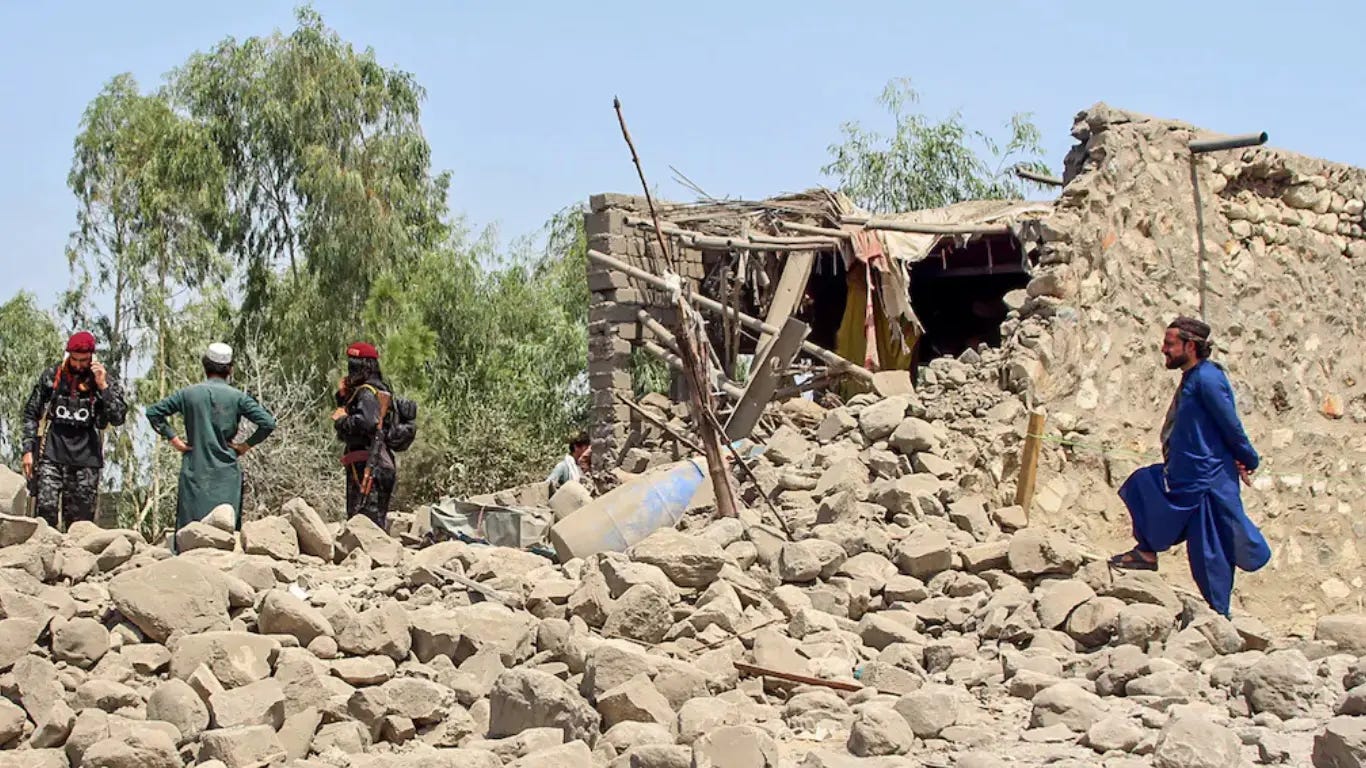
The relationship between Pakistan and Afghanistan has officially shifted from fragile diplomacy into an outbreak of direct confrontation and open war. Since February 27, when Pakistan’s defense minister declared open war and Pakistani aircraft struck Kabul, Kandahar, Paktia and Jalalabad, the two neighbors have been locked in a conflict that has drawn remarkably little global notice. Yet even as the world’s attention remains fixed on Iran, this war is redrawing South Asia’s power map.
What is unfolding is not merely a border crisis but a philosophical rupture—a collapse of the very concepts that once held the region together. Sovereignty, humanitarianism and geoeconomic rationality are being weaponized in a feedback loop that accelerates regional breakdown faster than any external actor can mediate.
The Taliban invoke sovereignty to reject Pakistani airstrikes while simultaneously denying responsibility for the Tehrik-e-Taliban Pakistan sanctuaries within its borders. The Afghan Taliban insist that Pakistan alone bears responsibility for reining in the TTP, publicly denying that TTP fighters are present on Afghan soil. Yet Islamabad accuses Kabul of refusing to act against Pakistani militants based in Afghan territory. The International Crisis Group notes the irony that Pakistan has been the country most affected by the Taliban’s return to power.
This is sovereignty as selective performance: a claim of external jurisdictional immunity without internal jurisdictional efficacy. If a state can immunize itself from consequences while radiating destabilizing agents, sovereignty becomes a weapon rather than a container. The UN Charter was written for states that existed; it lacks a clause for entities that exist only as sovereign signifiers without sovereign signifieds. Both Islamabad and Kabul have entered a condition of negative sovereignty, where recognized international legal status masks de facto warlordism…
This is a preview sent to free subscribers like you. The full content of this article is available exclusively to our paid subscribers. Read the full story here.
To enjoy the complete Asia Sentinel experience and access more in-depth, independent reporting, please consider subscribing for just US$10/month or US$100/year.
Support independent journalism. Subscribe today.