
By: Salman Rafi Sheikh
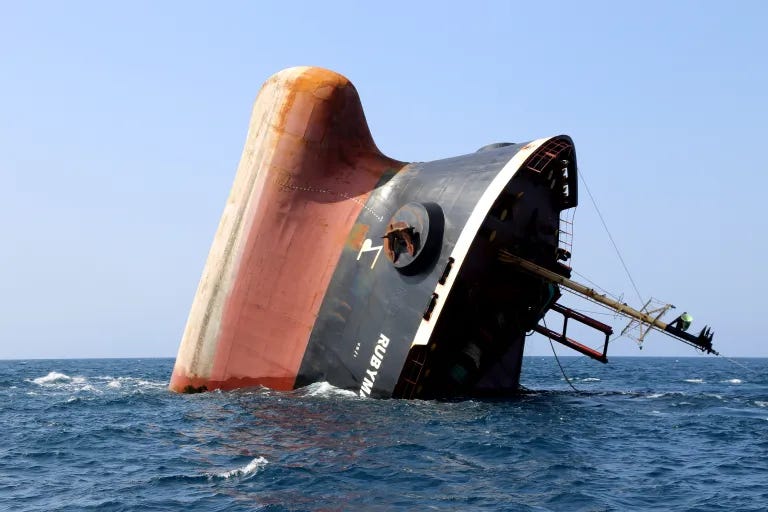
Although the Strait of Hormuz has dominated global attention, with Iran’s intermittent disruptions threatening one of the world’s most important energy arteries since the United States and Israel launched military strikes against Iran on February 28, the collapse of the four-year truce between Saudi Arabia and Yemen’s Houthi movement has transformed the Red Sea from a secondary theatre into a strategic front.
If the Strait of Hormuz is the Middle East’s front door, the Bab el-Mandeb is its back door. Asia’s prosperity increasingly depends on keeping both open, forcing Asian refiners, insurers and shipping companies to recalibrate around a single strategic chokepoint. Nearly a fifth of the world’s seaborne oil normally passes through Hormuz, making it the obvious barometer of the war’s economic consequences.
The latest escalation—triggered by the Saudi-backed Yemeni government’s strike on Sanaa airport to prevent an Iranian aircraft from landing and followed by Houthi retaliation against Saudi targets—has revived fears of another regional conflict. Riyadh is now seeking an international coalition against the Houthis, signaling that Yemen is once again becoming a central arena of Middle Eastern geopolitics.
For Asia, the implications are immediate. Even before the latest escalation, Houthi attacks on commercial shipping had pushed many vessels away from the Red Sea and the Bab el-Mandeb Strait towards the much longer route around the Cape of Good Hope. The diversion has significantly increased shipping costs, extended delivery times and sharply reduced traffic through the Suez Canal, disrupting one of the world’s most important trade corridors…
This is a preview sent to free subscribers like you. The full content of this article is available exclusively to our paid subscribers. Read the full story here.
To enjoy the complete Asia Sentinel experience and access more in-depth, independent reporting, please consider subscribing for just US$10/month or US$100/year.
Support independent journalism. Subscribe today.