
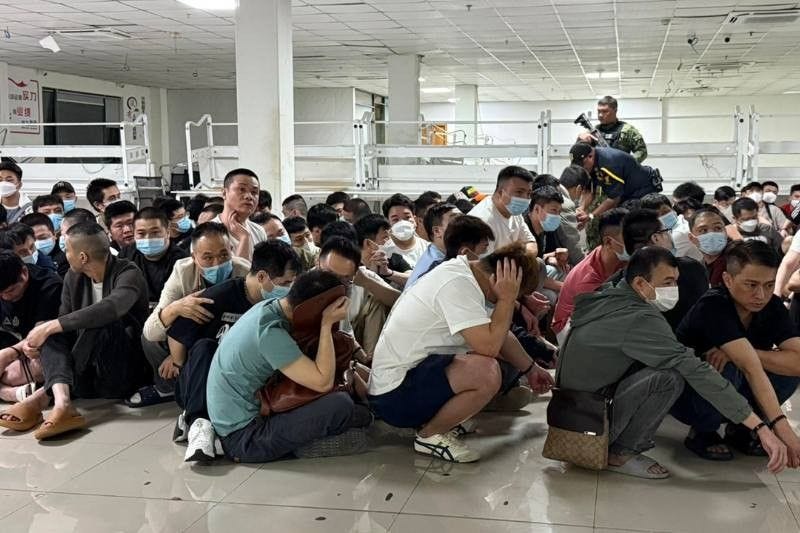
On June 9, the Philippine Senate unanimously passed a bill prohibiting the operation of so-called POGOs, or Philippine offshore gaming operations. There were no nays or abstentions, arguably an indication that the country was glad to get rid of them. The bill finally puts an end of sorts to a distressing chapter in recent history, when as many as 300,000 Chinese nationals flooded in from the mainland to work in online gaming facilities offering computerized gambling to their countrymen, many of the mainlanders and others fleeced for their life savings.
The POGOs were banned last July and officially shut down last December, although authorities keep finding them, hidden behind the country’s myriad business process outsourcing companies or other facades. One operator was arrested by police on May 28. An estimated 10,000 to 11,000 Chinese mainlanders remain in the country, officials say, in the wake of an affair that damaged lives, corrupted local officials, contributed to a real estate bubble in the Pasay area of Manila that collapsed and drove office vacancies to 19.7 percent and residential to 24.3 percent, respectively, during the first quarter of 2025.
The damage wrought by the POGOs is an object lesson for officials in Thailand and other nations across the globe considering joining what looks like a bonanza from an exponentially growing industry assessed at US$66.7 billion in 2020 and expected to grow legally to US$127.3 billion by 2027 at a 10.4 percent CAGR globally according to Forbes. That figure is dwarfed by the money in illegal online gaming, which could be more than US$1 trillion globally, according to law enforcement figures…