
Paving Paradise: India’s New Andaman Base
International groups demand that Delhi halt development of Great Nicobar Island
By: Nava Thakuria
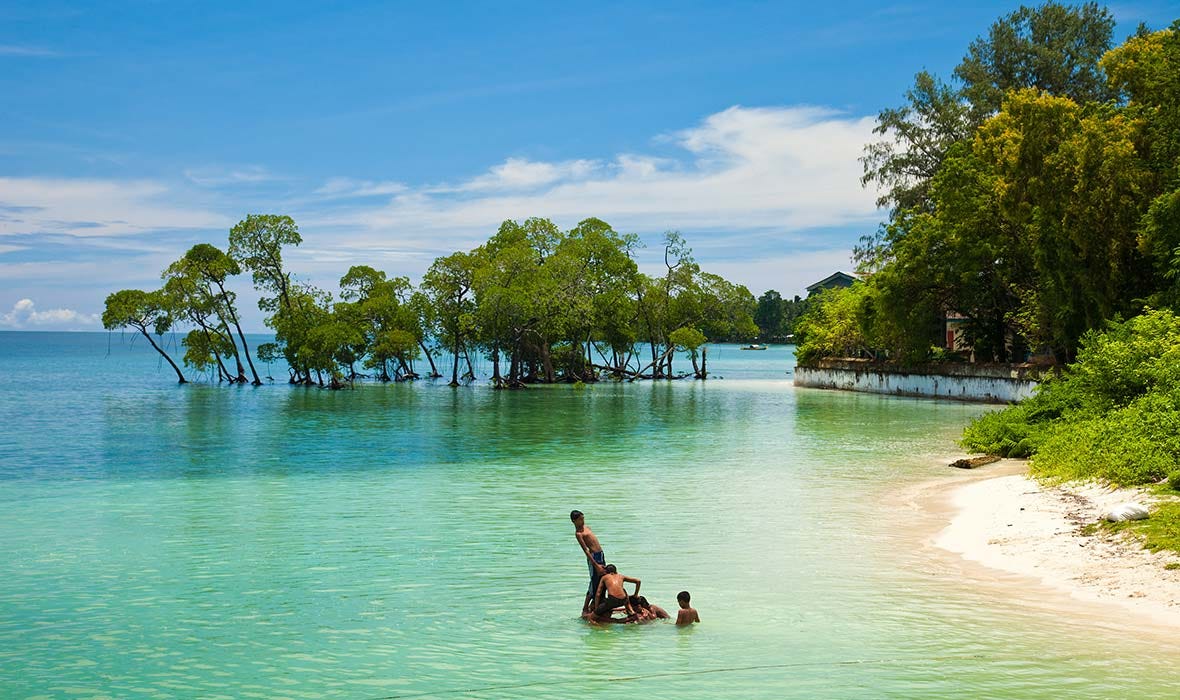
In the face of local and international opposition, the Indian government has unveiled plans for massive development of the thickly-forested, 900 sq km Great Nicobar Island, one of a group of untouched, pristine islands in the Andaman chain in the Bay of Bengal that are home to some of the most isolated tribes on earth. The Andamans most recently achieved dubious fame in 2018 when an American Christian evangelical missionary illegally traveled to North Sentinel Island to attempt to make contact with an uncontacted tribe, the Sentinelese, in an attempt to introduce Christianity to them, only to have the tribesmen kill him.
The development threatens the Shompen, a tribe of 300-odd hunter-gatherers living in the dense rainforests that occupy the interior of the island and, say international genocide authorities, they likely face extinction. The Nicobarese, who number about 1,000, maintain contact with outsiders and many have converted to Christianity. However, the Shompen are still relatively isolated. Advocates believe that they can both survive and thrive if their lands and resources are secure. While advocates of development say lives of the villagers will improve, statistics show life expectancy in the islands averages around 74 years, among the highest of all Indian states, because of relatively low population density and less competition for resources, a traditional diet rich in seafood and fresh fruits and vegetables and low in processed foods. Islanders are known for their active lifestyle, which includes fishing, farming, and other outdoor activities. Government health care on the bigger islands is quite good…