
Kashmir’s Cricket Bat Industry in Trouble
Bat manufacturers want government support to boost the indigenous industry
By: Majid Maqbool
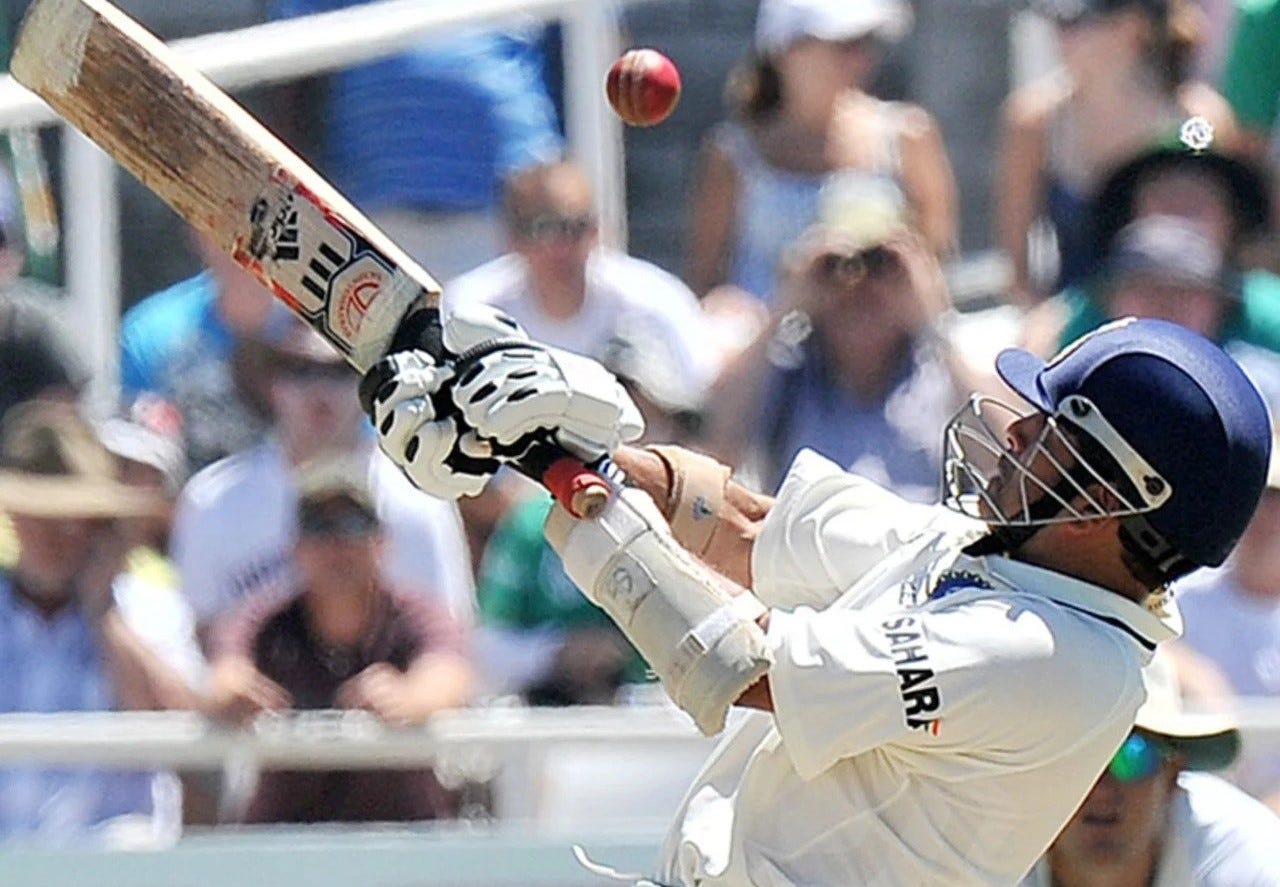
Some of the world’s most legendary cricketers including Sachin Tendulkar and Sir Vivian Richards have chosen to go before the stumps carrying bats made of Kashmir willow, manufactured by an industry that today employs over 150,000 people in more than 400 manufacturing units spread across southern Kashmir, a major employer in a troubled province of 10 million people.
But Kashmir’s bat-making industry is battling challenges including shortage of willow supplies, smuggling, and diminished planting of the willow trees in the wetlands that make the finest bats. While batmaking for cricketers has stuck with willow for more than 200 years, a material that is stiff, shock-resistant, and lightweight, which is important for the much wider bats used in cricket, the American sport of baseball has evolved from hickory to ash to maple. But, say cricketers, a bat needs to look aesthetically good, and it has to make a satisfying thwack when it meets the leather ball. Only willow suffices.
Cricket bats are mainly manufactured in England and the Kashmir region, made from wood specially grown from the trunks of willow trees cut to bat length and then shaped by skilled staff in the factories, with willow blocks, known as clefts, piled up on both sides of the road along the national highway in southern Kashmir areas that connect Kashmir to the rest of India Workers come from all over India, including from Jalandhar, Punjab, Uttar Pradesh, Haryana, Bihar and Jharkhand…