
Iran War Hurts ASEAN, But It Still Needs the US
Washington retains its centrality in the emerging architecture of deterrence to China
By: Manuel L. Quezon III
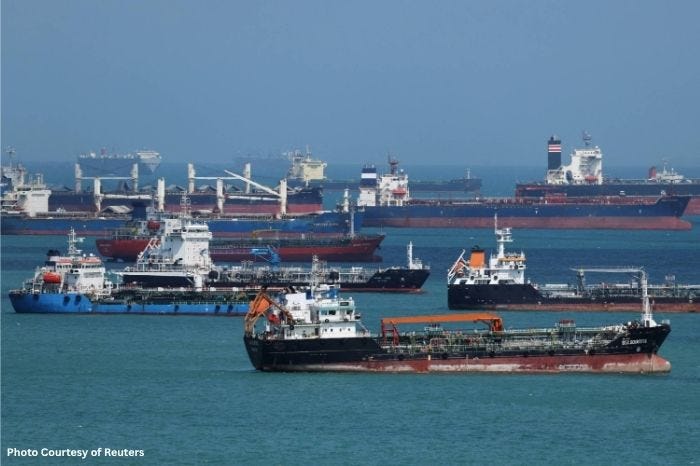
Moribund markets roared back to life in Southeast Asia with the news on April 7 of a US-Iran two-week ceasefire. Days ahead of the ceasefire, even a hitherto big Donald Trump booster like the Hoover Institution’s Niall Ferguson had concluded: “Time is not on the side of an overstretched hegemon, because the economic costs of war pile up faster than the strategic benefits can be reaped.” The region can lick its wounds as the ceasefire plays out, but this early on, it seems clear that ASEAN can only look askance at Washington moving forward.
The costs, just in the fiscal domain, have been astronomical for countries that subsidize fuel, for example, and they quickly had to limit, if not discard, those subsidies. Every government had to contend with unexpected, and uninvited, political tensions born of a deteriorating fiscal situation, and the specter of a global recession. As industry commentators repeatedly mentioned, Southeast Asia was among the first to bear the brunt of the disruption of fuel and other petroleum-based supplies.
Going into the crisis, the ISEAS Yusof Ishak Institute in Singapore polled the region and registered a shift in opinion, from China’s aggressive behavior in the South China Sea as the top concern in 2025 to US leadership under Trump as the biggest worry for 2026. Asked if a nation had to choose between strategic rivals, China or the United States, a slight majority overall opted for China over the US, which was the favorite the year before. In some countries, the standing of China, measured by the answer to this question, grew by double digits: Singapore and Thailand, for example and it even doubled in the traditionally pro-American Philippines…
This is a preview sent to free subscribers like you. The full content of this article is available exclusively to our paid subscribers. Read the full story here.
To enjoy the complete Asia Sentinel experience and access more in-depth, independent reporting, please consider subscribing for just US$10/month or US$100/year.
Support independent journalism. Subscribe today.