
Indian Passports, NRC Debate Put Muslims on Edge
Larger uncertainty in a country without a universal citizenship certificate
By: Nava Thakuria
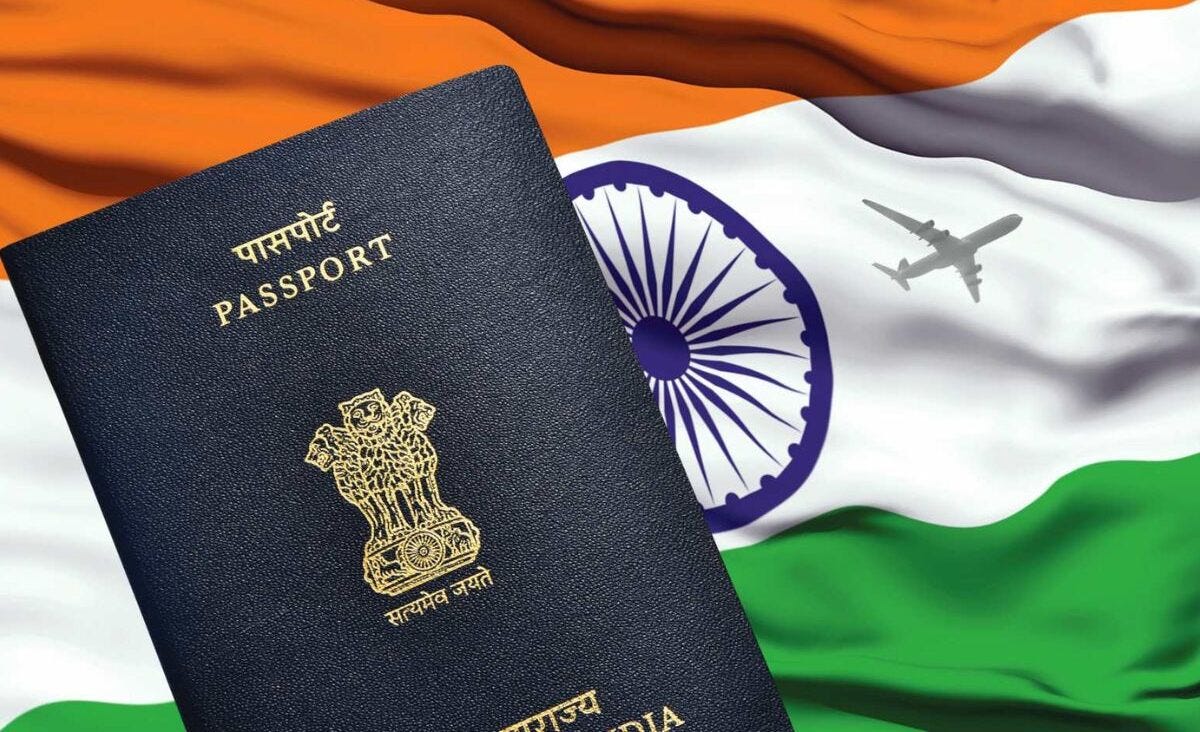
India’s renewed debate over whether passports prove citizenship has revived anxieties among Muslims, particularly as political leaders speculate about a possible nationwide update of the National Register of Citizens that critics say could disenfranchise as many as 80 million people as Prime Minister Narendra Modi’s 12-year-old Hindutva campaign continues. The concern is particularly acute in the eastern Assam region where Bangladeshi migrants have spilled north over the border.
The controversy reflects a larger uncertainty in a country without a universal citizenship certificate. Widespread apprehension has surfaced that Delhi may pursue a nationwide screening of citizens. Minority-rights groups fear that any future National Register of Citizens exercise could require families, especially Muslims, to prove basic identity and citizenship details or face legal consequences. The issue has gained political momentum since the Bharatiya Janata Party came to power in 2014 and subsequently expanded its influence across India.
The concern was triggered by a July 14 statement by India’s foreign ministry that passports cannot be treated as conclusive proof of citizenship, declaring that a passport is primarily a travel document issued under the Passports Act, 1967 and the Passports Rules, 1980 to regulate the departure of Indian citizens from the country. Although passports are issued after a prescribed verification process, the ministry said their primary legal purpose remains international travel…
This is a preview sent to free subscribers like you. The full content of this article is available exclusively to our paid subscribers. Read the full story here.
To enjoy the complete Asia Sentinel experience and access more in-depth, independent reporting, please consider subscribing for just US$10/month or US$100/year.
Support independent journalism. Subscribe today.