
By: Tim Daiss
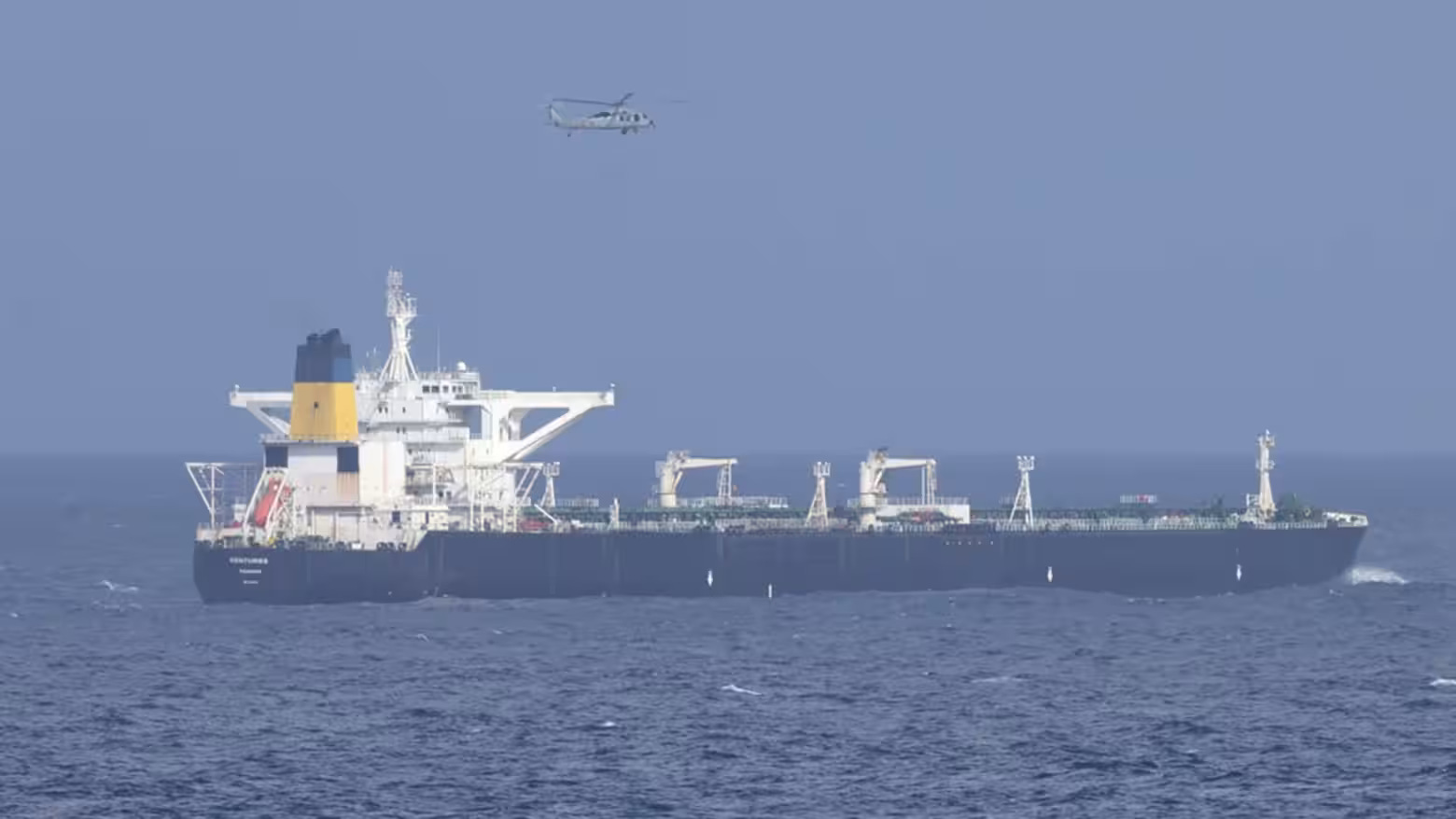
A long-running question in global oil markets is resurfacing with the ouster of Venezuelan President Nicolás Maduro: what happens next to Venezuela’s crude exports to China, most of which have already operated for years in the gray zone of US sanctions? It’s a complex political triage that will take months, and perhaps years, to unravel.
China has long been the primary destination for Venezuelan oil, absorbing heavy crude at steep discounts through opaque shipping arrangements, intermediaries, and relabeling practices designed to skirt enforcement. It remains the world’s largest crude oil importer, averaging 11.1 million bpd in 2025, with that amount spiking to 12.3-12.4 million bpd per day by the end of the year, a near two-year high. Venezuelan oil shipments to China averaged nearly 400,000 bpd in 2024 – roughly 4 percent of seaborne crude imports. Admittedly, that’s a small amount but it’s significant given that most of those cargoes were earmarked for the country’s price sensitive, privately run “teapot” refineries.
Moreover, that channel has never been stable. Maduro’s removal introduces a new layer of uncertainty that goes beyond politics and straight into physical oil flows, pricing risk and refinery economics. The immediate issue is not whether Venezuela can produce oil (it can, albeit unevenly), but whether its exports can continue moving to China under the same permissive conditions. The answer is likely no. Even before recent developments, enforcement risk was rising. Now, traders, shipowners, insurers, and refiners must reassess whether Venezuelan barrels remain worth the legal and reputational exposure.
Why China Took Venezuelan Oil in the First Place
China’s appetite for Venezuelan crude has always been pragmatic. Venezuela produces extra-heavy oil that trades at a significant discount to benchmark grades. For China’s teapot operators, that discount has often outweighed logistical headaches and political risk. In recent years, Venezuelan oil has typically entered China through indirect routes. Cargoes were blended, relabeled or shipped under alternative flags and documentation. In many cases, Venezuelan crude was marketed as originating elsewhere, allowing it to clear ports without explicit acknowledgment of sanctions exposure. That system worked because enforcement was inconsistent and buyers, sellers and service providers shared an incentive to look the other way. Maduro’s presence in Caracas provided continuity. His absence disrupts that equilibrium, and China will soon feel the pain.
Markets are not reacting to ideology. They are reacting to risk. With Maduro no longer in power, uncertainty now surrounds the durability of existing export arrangements, the legal status of contracts, and the willingness of third parties to stay involved.
Shipping is the most obvious pressure point. Tanker owners and insurers have already grown cautious around sanctioned trades. A higher-profile enforcement environment increases the chance that vessels, insurance cover or financial intermediaries will step back. Without shipping, oil doesn’t move - regardless of demand.
Payment mechanisms are another vulnerability. Chinese buyers have often relied on non-standard settlement methods to handle Venezuelan cargoes. Those channels may narrow quickly if counterparties fear retroactive scrutiny or asset freezes.
The result won’t be an overnight halt, but a gradual thinning of the trade with fewer willing participants, higher transaction costs, and deeper discounts required to compensate for risk.
Simply put, if Venezuelan oil flows to China slow or stop, the impact will be felt most sharply by refiners optimized for cheap heavy crude. Replacing Venezuelan barrels is possible but not cost-neutral. Alternatives include heavy grades from Latin America, Canada and the Middle East (Saudi Arabia included). However, none come with the same discounts that Venezuelan oil has offered under sanctions. This means higher feedstock costs, tighter margins, and potential run cuts for marginal refiners.
China’s state-owned refiners are better positioned to absorb the shock. Independent refiners, which have historically leaned harder into discounted barrels, will feel the squeeze first. Some may pivot back toward sanctioned Russian grades or seek new blending strategies, but each workaround carries its own exposure. This matters because refinery margins, not politics, determine long-term demand. If Venezuelan oil becomes more trouble than it’s worth, refiners will quietly move on.
The Return of the US Gulf Coast?
Ironically, Maduro’s removal may reopen a door that sanctions once slammed shut: US Gulf Coast refineries. Venezuelan crude is heavy and sour, precisely the type of oil many American refineries are configured to process. These facilities were built decades ago, long before the US shale boom, to run heavy imported crude from Venezuela, Mexico and the Middle East.
US refineries can’t easily substitute light American crude for heavy grades without costly modifications. As a result, the US still imports significant volumes of heavy oil. If sanctions are eased or selectively restructured under a post-Maduro framework, Venezuelan crude could once again flow north to the US rather than east to Asia. That would realign trade routes, reduce China’s access to discounted barrels, and ease feedstock pressures on US refiners. Such a shift would not be immediate, nor guaranteed. But markets are already pricing the possibility.
This moment is less about regime change than about the fragility of sanctions-dependent trade. Venezuela’s oil exports to China were never fully normalized. They survived because enforcement gaps existed and because all parties accepted a certain level of ambiguity. That ambiguity is now shrinking. For China, the lesson is straightforward: relying on deeply discounted barrels tied to political risk creates vulnerability. For Venezuela, the question is whether a post-Maduro transition can restore enough credibility to attract transparent buyers, insurers, and financiers. For global markets, the episode reinforces a broader trend. Sanctions don’t eliminate oil flows, but they distort them, pushing trade into darker channels that work until they don’t. When political conditions shift, those channels can collapse quickly.
In the near term, expect volatility rather than clarity. Some Venezuelan cargoes will still move. Discounts may widen. Refiners will test alternatives. Traders will probe enforcement boundaries. But the longer-term direction is clearer. China’s access to Venezuelan oil is likely to become more constrained, more expensive, or both. Venezuelan crude, meanwhile, may find a more natural home closer to US refineries, if political conditions allow. The oil itself has not changed. The risk around it has. And in commodity markets, risk is often the most decisive variable of all.
Tim Daiss is a regular Asia Sentinel contributor and an energy markets analyst in the Asia-Pacific region. He is a partner at APAC Energy Consultancy.
failed to note that trump shielding oil revenue in a vehicle subject to no oversight, and sure to be challenged.
will any international group now suggest purchase of vz resources amounts to participation in stolen property? ( india nor china still indifferent to sanctions, and will be interesting to see if vz crude ends up there anyway)