
Trump’s Trade-Centric Indo-Pacific Realignment
Vietnam seeks to fit in
By: Khanh Vu Duc
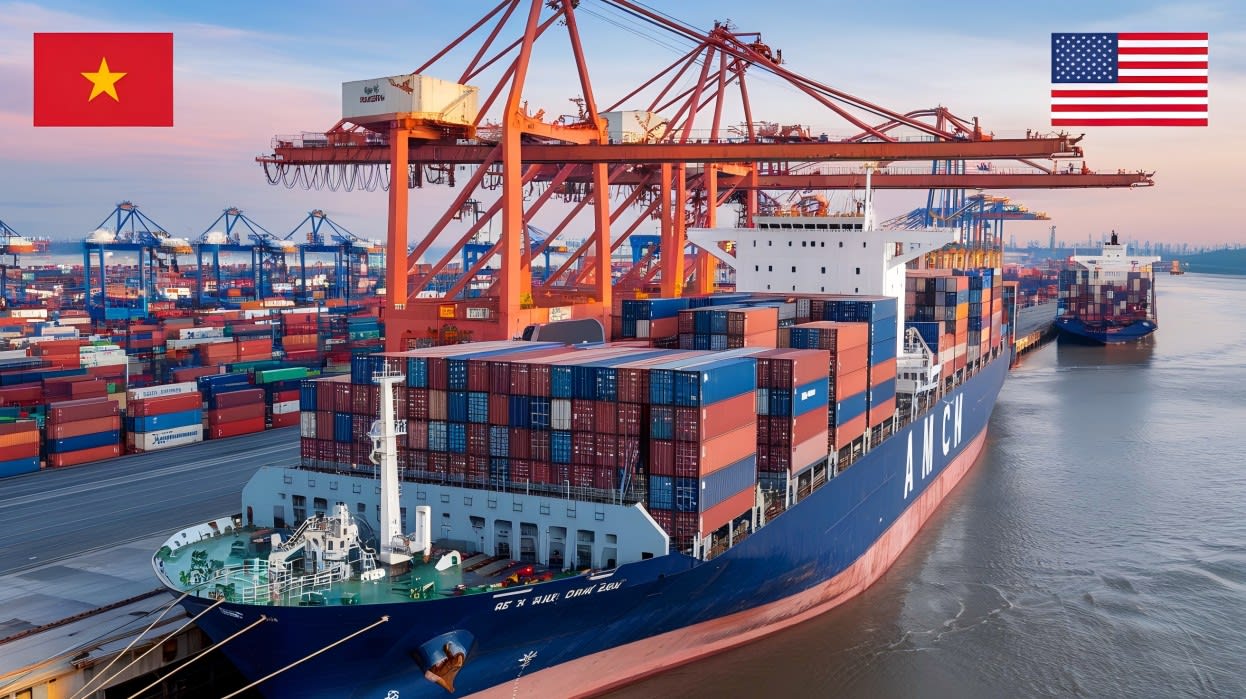
When Donald Trump returned to the White House on January 20, the world braced for another upheaval and rightly so. His second term, 10 months old, has already begun to redefine America’s alliances and economic posture in Asia.
The Indo-Pacific, once framed by Washington as a theater for “strategic partnership and shared prosperity,” is again being reimagined through the prism of reciprocity and raw deal-making. What Trump calls “fair trade” is, to many allies, a doctrine of coercive equilibrium: a transactional re-ordering that turns the language of friendship into the arithmetic of balance sheets.
In this recalibrated landscape, Vietnam occupies a distinctive position. Once peripheral to US strategy, it has evolved into a hinge between security and commerce. Its economic dynamism, strategic geography, and cautious diplomacy – often labeled “bamboo diplomacy” for its flexibility and resilience – make it both a partner and a test case. The question for both capitals now is whether Trump will sustain the pragmatic engagement of his predecessors or imprint his own unmistakably Trumpian stamp on the relationship…
This is a preview sent to free subscribers like you. The full content of this article is available exclusively to our paid subscribers.
To enjoy the complete Asia Sentinel experience and access more in-depth, independent reporting, please consider subscribing for just US$10/month or US$100/year.
Support independent journalism. Subscribe today.