
By: Tim Daiss
Russia’s sanctions-busting shadow fleet has survived nearly two years of tightening Western restrictions, US secondary sanctions, and G7 price-cap enforcement. But the next pressure point isn’t tankers, transponders, or AIS manipulation, it’s insurance, the least visible but most structurally vulnerable part of Moscow’s oil export machine.
Fresh investigations show that much of the fleet moving Russian crude and fuel around the world is sailing on outdated safety records, questionable classification, shell-company ownership, and insurance coverage that collapses the moment anything goes wrong. That risk was manageable when oil markets were calm, and sanctions enforcement was inconsistent. But Washington’s renewed push under President Donald Trump has shifted the pressure back onto insurers, reinsurers, and the opaque intermediary networks that quietly keep the shadow fleet operating.
The result: a sanctions standoff that is moving away from headline-friendly tanker seizures and toward a deeper, slower burn, one that threatens marine insurers, port authorities, and Asian refiners far more than Moscow wants to admit.
Insurance now the battlefield
Russia’s shadow fleet, estimated at 600 to 900 vessels depending on classification, relies heavily on so-called alternative insurers located in jurisdictions with weak regulatory oversight. Many are minimally capitalized, legally dubious, or operate without recognized reinsurance. The International Group of P&I Clubs (IG), which traditionally covers 90 percent of the world’s oceangoing vessels, has largely exited Russian-linked trade, pushing Moscow into second and third-tier coverage.
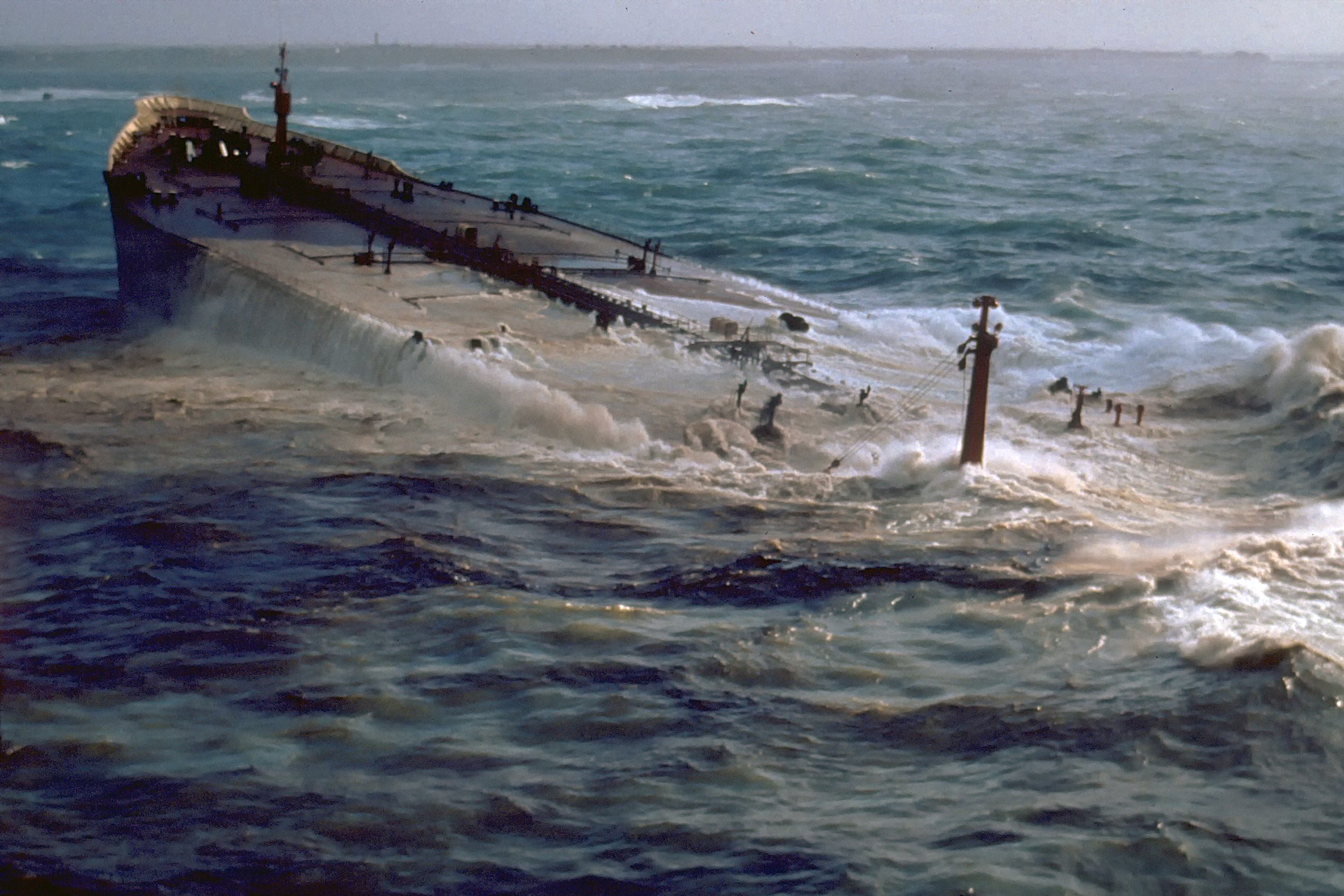
On paper, these insurers provide liability protection. In reality, they usually can’t pay even a fraction of the cost of a major spill or collision. A single tanker incident in busy Asian chokepoints such as the Malacca Strait or South China Sea could trigger hundreds of millions of dollars in environmental and commercial losses, far beyond the ability of any shadow fleet insurer to cover.
That risk is not theoretical. Analysts warn that many aging Russian-linked tankers, some over 25 years old, are simply one mechanical failure away from a disaster. Several have already suffered breakdowns, fires, or port detentions. Yet they continue operating under opaque ownership structures and reflagged identities designed to stay a step ahead of regulators. For Asian refiners, especially China and India, this raises a blunt question: who pays when (not if) something goes wrong?
Financial noose tightens
That question is driving the latest US sanctions shift. Unlike previous approaches that targeted shipowners or cargoes, Washington is now forcing insurers and reinsurers to verify compliance or risk being locked out of the US financial system. The US Treasury’s new secondary enforcement posture means penalties can land not only on violators, but on anyone providing indirect support, including brokers, surveyors, and even ports.
That creates a chilling effect. Major insurers won’t touch shadow fleet business. Legitimate brokers are backing away. Asian refiners, particularly in India, China, and Southeast Asia, are being forced to assess legal exposure far more carefully than a year ago. Insurance is now the Trojan horse through which sanctions pressure re-enters the system.
Port authorities across Asia are increasingly uneasy about accepting Russian-linked tankers with questionable paperwork. Some are quietly requiring additional safety documentation. Others are using port-state control inspections to screen for vessels operating under problematic flags or insurance entities.
If a tanker can’t prove valid coverage, the port bears the liability. For countries still recovering from large-scale maritime pollution events, such as Sri Lanka’s 2021 MV X-Press Pearl disaster, the political and financial risks are obvious. Refiners, too, are becoming more cautious. While China’s independent refiners (teapots) remain opportunistic buyers of discounted Russian crude, state refiners in India and Southeast Asia operate under stricter compliance frameworks. The fear isn’t sanctions per se, it’s that a lack of recognized insurance could disrupt shipments, slow throughput, or create legal exposure. Insurance risk has become a de facto supply risk.
Russia is trying to adapt. Moscow has pushed state-backed Russian insurers to issue Protection and Indemnity (P&I) style coverage, but global reinsurers won’t support those policies. That means liability remains almost entirely on paper. A major claim would bankrupt the insurer and leave the shipowner and cargo owner exposed.
Russia has also encouraged “shadow classification societies” to step into the void left by Western exit. But these entities lack the credibility, technical rigor, or international recognition of established bodies. Many tanker hulls and machinery certificates are now outdated or unverifiable. The longer this continues, the more dangerous the fleet becomes.
The real risk: a catastrophic spill in Asia
Asia now receives more than 70 percent of Russia’s crude and product exports. That means the region is statistically the most likely place for a shadow fleet accident.
A serious spill in the Malacca or Singapore Strait or the South China Sea would paralyze trade, disrupt supply chains, and trigger massive legal battles over liability. If the insurer can’t pay, and most can’t, responsibility falls back on shipowners, ports, or governments.
This is where the insurance gap becomes a geopolitical issue, not just a maritime one. If a Russia-linked tanker caused a disaster and could not pay damages, the diplomatic fallout between Asian governments, Moscow, and Western sanctions regimes would be immediate and severe.
Asian insurance markets are increasingly worried about being pulled into Russian exposure through reinsurance chains. Singapore, Hong Kong, and Tokyo insurers face mounting pressure to tighten compliance screening. The Monetary Authority of Singapore (MAS) has already warned insurers about exposure to opaque shipping structures. The risk for Asia is not direct sanctions; it’s becoming the financial backstop for a dangerous and undercapitalized fleet operating beyond international norms.
Russia’s shadow fleet has demonstrated remarkable resilience. But it survives only because insurers in permissive jurisdictions continue issuing paper coverage for vessels that couldn’t pass scrutiny in regulated markets. That model breaks the moment a major incident occurs. Russia can replace ships, flags, and shell companies. It can’t replace the global insurance architecture that underpins maritime trade. As US pressure intensifies and Asian refiners reassess liability, the true vulnerability of the shadow fleet is coming into view. Tanks and crude flows grab headlines. Insurance is where the real fight is happening now. Asia – the world’s largest buyer of Russian oil – is where the consequences would land first.
Tim Daiss is an energy markets journalist and analyst in the Asia-Pacific region. He is a partner at APAC Energy Consultancy.
great update.
it has been amazing how wrong investors and geopols have been on both the scale and resiliency of the darkfleet. (zeihan has wrongly pointed to insurance as the weak link since 2023)
my question is : what happens when a darkfleet tanker sinks off the coast of a nation(s) with military power to do something w/out american support? surely they see this as a highly probable event, and have some plan. nordics, as an example.