
By: Purple Romero
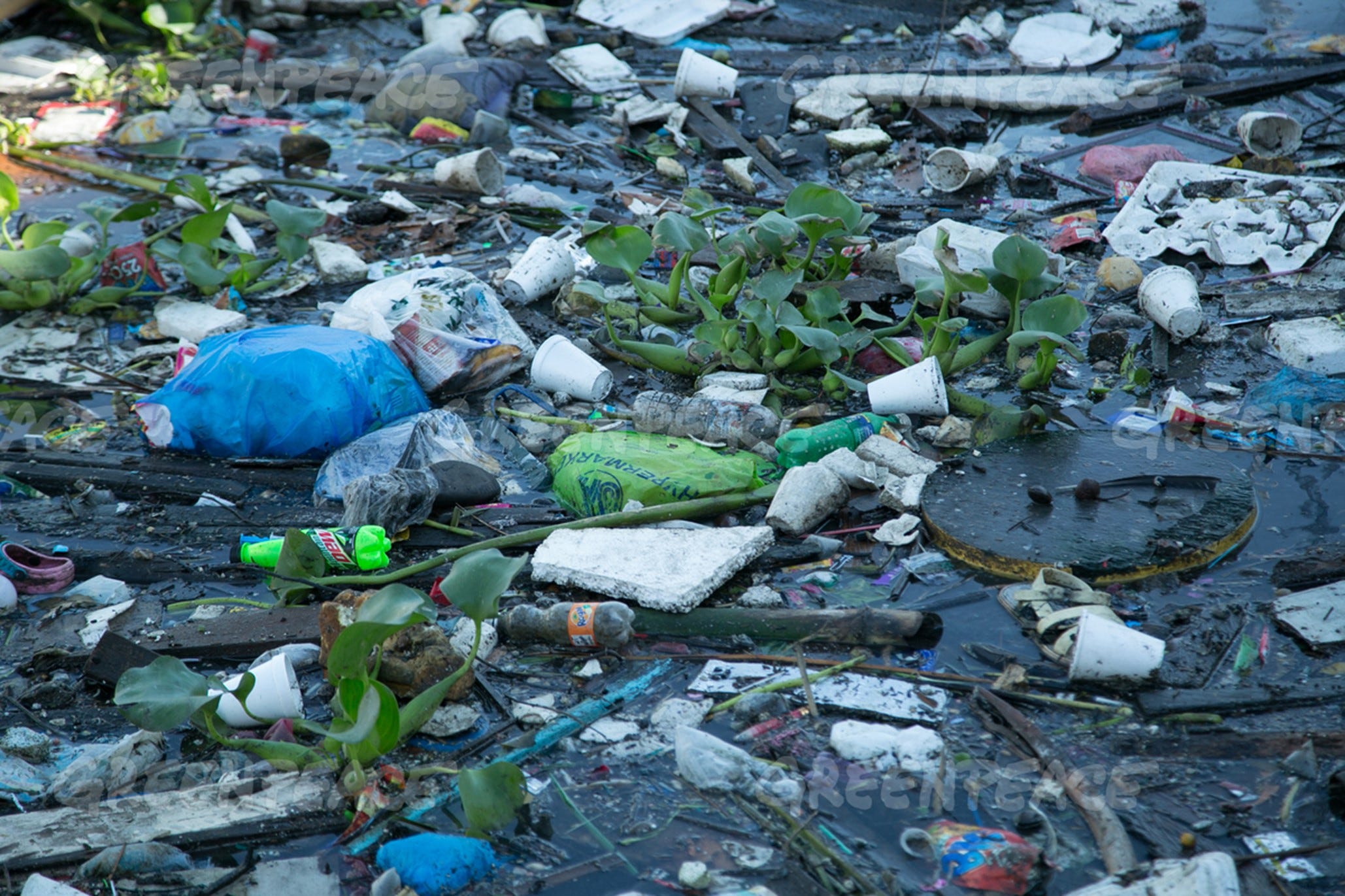
Environmental scientists in the Philippines, aided by grants from the Japan Science and Technology Agency, the UK Research and Innovation agency, and local funding, are turning to artificial intelligence in their effort to establish baseline data for plastic waste that has made the country the world’s third largest contributor of plastic oceanic pollution, according to a 2021 World Bank study.
While more data is available than ever before in measuring the scale, movement and magnitude of environmental pollution, accessing the data, interpreting it, and acting on the results is crucial to managing the growing environmental crisis, with some researchers predicting that by 2050 there could be more plastic than fish in the oceans by weight. Artificial Intelligence is increasingly a part of that effort, performing tasks that typically require human intelligence, often in a fraction of the time, and is demonstrating the ability to improve itself over time, based on the information it collects. It can play a role from designing more energy-efficient buildings to monitoring deforestation to optimizing renewable energy deployment to, in this case, cataloging the vast variety of plastic waste clogging the oceans. What it does is to elevate the way the Philippines addresses the problem of plastic pollution. The baseline data is also designed to guide the development of policies to regulate the manufacture, disposal and distribution of plastic waste, resulting into initiatives that could be more targeted and strategic, specifying what kinds of micro and macroplastics need to be reduced in particular cities and municipalities…