
By: Daniel Mitchum
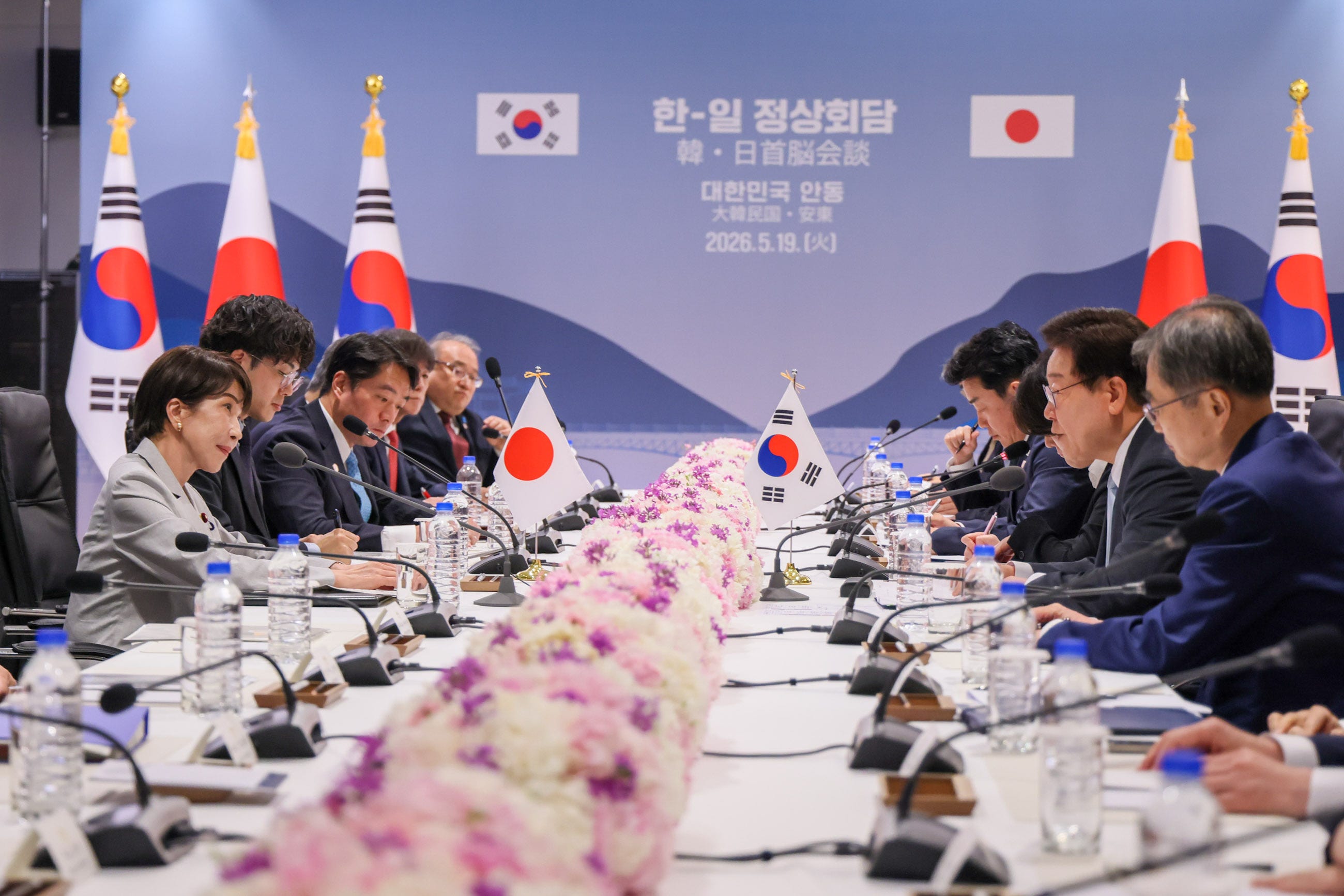
Japan and South Korea have agreed to set aside their frequent diplomatic frissons over past history and launch a wide-ranging energy cooperation deal under which they will share information regarding their respective crude oil and LNG capacity in order to help the two nations tide over energy supply chain threats stemming from the Hormuz Strait crisis. This follows an agreement signed earlier in March under which the two countries have pledged to cooperate in stockpiling and swapping petroleum information and products in times of crisis.
Under the terms of the agreement, the two are to share crude oil, liquefied natural gas (LNG), and petroleum products from national stockpiles in the event of an emergency supply disruption and will cooperate under Tokyo’s newly introduced “Partnership on Wide Energy and Resources Resilience” framework, coordinating to back a US$10 billion financial mechanism aimed at helping other Asian countries secure crude supplies.
While details remain mostly undisclosed, the fact that Tokyo and Seoul come to share information regarding the energy supply chain amounts to a significant cooperative deal, as it comes against the backdrop of never-ending diplomatic tensions impeding bilateral economic cooperation. Next to China, Japan and South Korea, two of the world’s most powerful economies, constitute a major exporting power in the global marketplace. This bilateral energy swap deal is especially significant given the periodic diplomatic tensions erupting between the two countries over multiple issues dating back to the period of Japan’s colonial conquest of the Korean peninsula.
Arriving at the city of Andong, south of Seoul, on 19 April, Japanese Prime Minister Sanae Takaichi was all smiles as the occasion marked the 60th anniversary of the normalization of relations between the two countries. Along with South Korean President Lee Jae Myong, she watched the local town’s night-time fire displays, while dining against the backdrop of a piano concert. In a display of growing warmth in the bilateral relationship, Takaichi proposed inviting Lee back to a thermal hot-spring town in Japan for the next round of bilateral summitry.
For Lee and Takaichi, it was their fourth round of high-level meetings. But other than the energy swap deal, little substance has so far emerged. Beneath the surface of diplomatic warmth and banters, neither Lee nor Takaichi could shake off the shadows of new regional tensions lurking over their countries.
For one, their talks followed US President Donald Trump’s summit talks with Chinese President Xi Jinping in Beijing. Their talks were high on symbolism and low on substance, with Xi almost wholly preoccupied with the issue of Taiwan. Xi confronted Trump bluntly over whether the US would come to the aid of Taiwan in the event of China’s attack on Taiwan. The festering issue of global trade, in which the US has retaliated with a series of controversial tariffs, was almost overshadowed by the issue of Taiwan.
Prime Minister Takaichi is directly affected by the worsening atmosphere prevailing over the Taiwan issue. Her suggestion earlier that China’s use of force to retake Taiwan could mean Japan’s considering it a direct security threat has provoked fiery responses from Beijing. China’s bristling attacks on Takaichi’s comment have provoked widespread concern in Tokyo and Washington, prompting Tokyo to strengthen its defense posture while Beijing has begun economic pressure, cutting back on Chinese tourists visiting Japan.
President Lee, on the other hand, has carefully detached himself from the Taiwan issue, preferring to stay away from any comment on its future status. Lee, in fact, caused a diplomatic storm shortly after his inauguration by suggesting that his Taiwan policy would be largely noncommittal. During Takaichi’s visit to Korea, Lee stayed away from commenting on China, refusing to get involved in the issue.
It is clear Lee is attempting a delicate regional balancing between the US-South Korea-Japan trilateral partnership and China. Perhaps indicating his diplomatic priorities, Lee traveled to Beijing in January before meeting Takaichi in Nara this year. Seeking “full-scale restoration of South Korea-China relations,” Lee’s efforts produced mixed results. The leaders made some progress, particularly in free trade negotiations, yet Xi failed to give explicit support for the denuclearization of North Korea.
Furthermore, Lee was unable to secure the resumption of Korean cultural exports into China which had been informally banned since China’s loud protests over the deployment of the THAAD missile battery in South Korea, which Beijing claimed was aimed at China.
As far as Beijing’s relations with Seoul are concerned, another security flashpoint appears in the making with the Lee government’s decision to push for the acquisition of nuclear-powered submarines. While Tokyo has not publicly objected to the program, both North Korea and China have objected to the plan, with Pyongyang stating that the acquisition of nuclear subs would cause “a nuclear domino phenomenon” in the region. Ultimately, the program carries implications for broader regional security which Japan must also manage.
Apart from the energy cooperation deal, their statements indicated no change in their respective views on the current international situation. According to a press statement given by the two sides, Lee mostly evaded the issue of China’s tough stance on Taiwan. Takaichi, however, stated that Japan’s abiding commitment to bring back a dozen Japanese citizens abducted by North Korean agents over four decades ago remains unchanged. How President Lee responded to this statement remains unknown.
Another delicate issue for the two sides was North Korea’s nuclear threats. Lee holds the position that the Kim Jong Un regime should be denuclearized, in principle. Takaichi, however, strongly advocates the policy of Kim’s denuclearization, pointing to the regime’s frequent missile firings over the Sea of Japan. Takaichi’s position is that both Japan and South Korea should get more actively involved in dealing with the regional crisis involving North Korea and China’s saber-rattling over Taiwan. Their differing accent on China as well as on North Korea appeared clear in their respective statements. While Lee stressed peace and stability, Takaichi stuck to a more nuanced position of realizing a “free and open Indo-Pacific region promoting peace and stability.”
Daniel Mitchum is a PhD at the University of Lancashire, now researching in Seoul.