
By: Tim Daiss
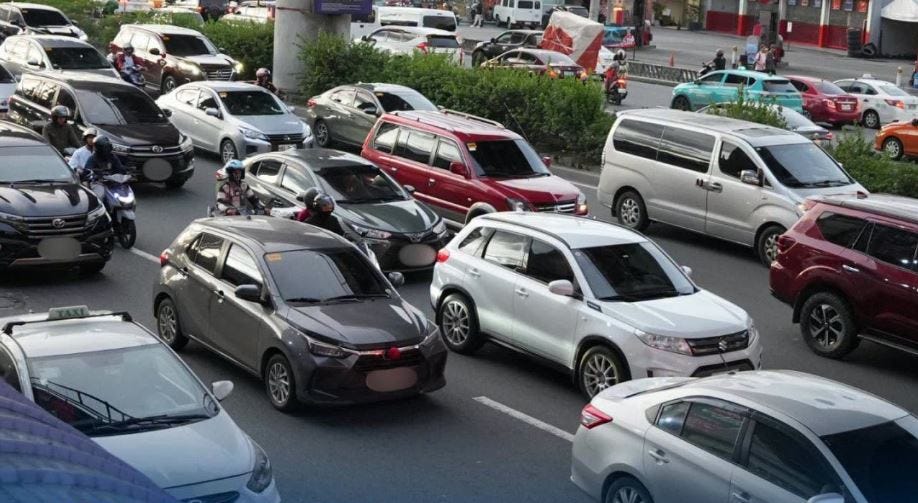
The Philippine government’s latest attempt to accelerate electric vehicle (EV) adoption in Metro Manila is already facing headwinds, prompting regulators to relax restrictions on which vehicles qualify for newly authorized ride-hailing franchises.
The reversal raises a larger question: Is the country’s charging infrastructure, electricity system and commercial transport market ready for the government’s electrification ambitions?
In early September, the Land Transportation Franchising and Regulatory Board (LTFRB) announced 8,750 new ride-hailing slots across Metro Manila and two provincial regions, reserving 7,500 in the capital exclusively for battery electric vehicles (BEVs) and plug-in hybrid electric vehicles (PHEVs). Conventional gasoline and diesel vehicles, along with non-plug-in hybrids, were excluded.
The policy was intended to support the government’s efforts to modernize public transport and reduce vehicle emissions while meeting growing demand for ride hailing services. But it immediately encountered opposition from Toyota Motor Philippines, which questioned why conventional hybrids had been excluded despite being recognized under the country’s existing EV legislation. Notably, traditional hybrids differ from PHEVs due to battery size, electric range, and ability to plug into an external power source…
This is a preview sent to free subscribers like you. The full content of this article is available exclusively to our paid subscribers. View the full story here.
To enjoy the complete Asia Sentinel experience and access more in-depth, independent reporting, please consider subscribing for just US$10/month or US$100/year.
Support independent journalism. Subscribe today.