
By: Jonathan Anggiat Pahotan, Jr.
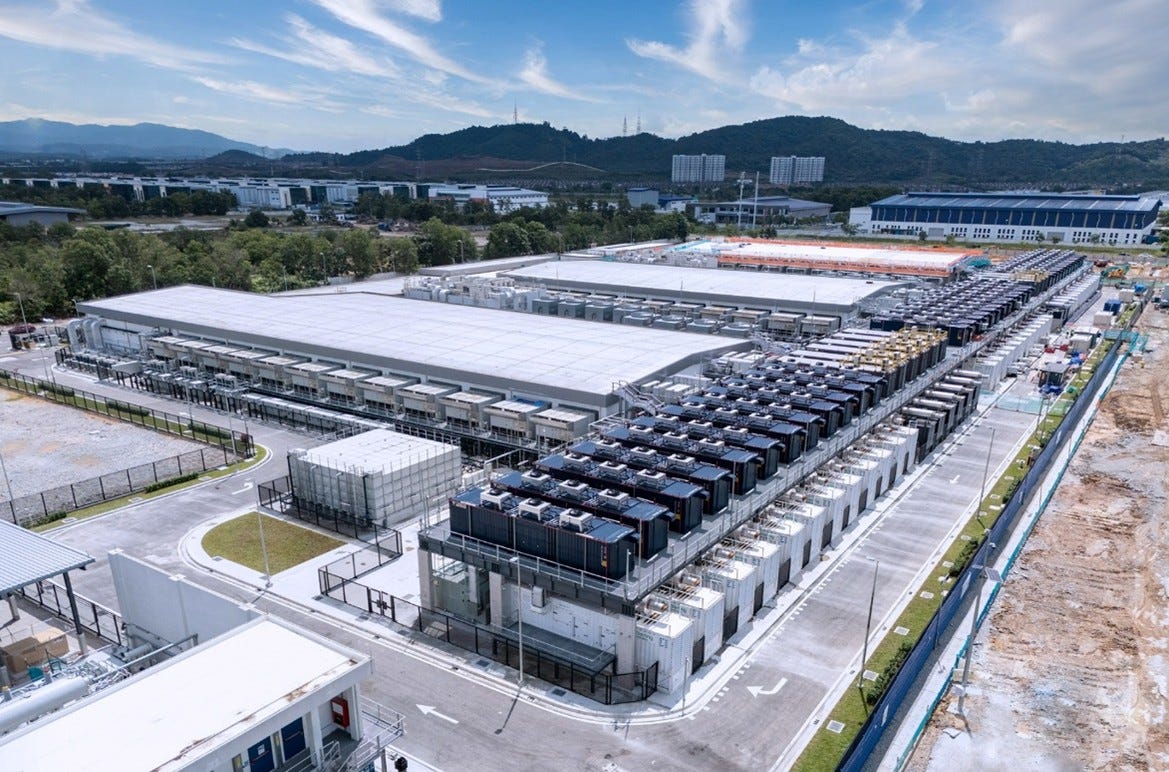
A data center that reserves 200 megawatts of electricity but uses only 100 has to pay for the unused half, Malaysia’s investment minister told Parliament on Oct. 15. An operator who does not pay cannot function, Johari Abdul Ghani said. He also said investors should fund any required transmission upgrades for their projects.
The minister’s words illustrate a problem that investment announcements never spell out. A utility that is promising power to an expanding campus cannot freely provide that capacity to another customer. The reservation is of value even before the servers that will use it have arrived.
It is right for Malaysia to take that pledge seriously. But to determine whether the country is getting its money’s worth, you have to look beyond the electricity bill. A utility can recover its costs and the government still loses tax revenue. A project can afford its connection and still leave unanswered questions about the obligations required. These are different portions of the same investment decision.
Reserved power charges
Malaysia already has ways to recoup infrastructure expenses. The energy utility, Tenaga Nasional Berhad, publishes connection arrangements that identify the infrastructure needed for a particular client from assets shared with other customers. It also lists minimum monthly payments and costs for demand below specified levels…
This is a preview sent to free subscribers like you. The full content of this article is available exclusively to our paid subscribers. View the full story here.
To enjoy the complete Asia Sentinel experience and access more in-depth, independent reporting, please consider subscribing for just US$10/month or US$100/year.
Support independent journalism. Subscribe today.