
By: Ainur Rohmah
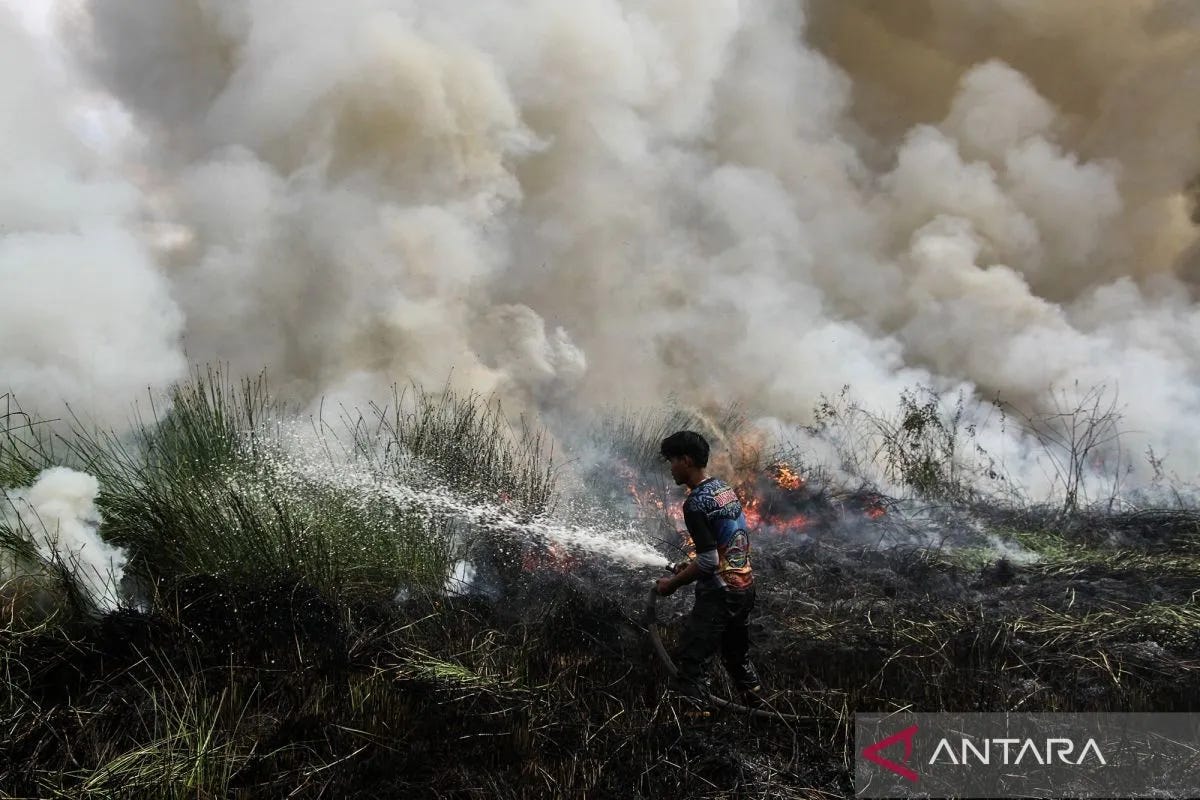
Indonesia is once again scrambling to respond to a string of disasters that have swept across the country, from floods and landslides in Sumatra and earthquakes in East Nusa Tenggara to forest and land fires in Kalimantan and Sumatra.
In a country highly exposed to natural disasters, the government’s response has been criticized as slow and reactive, raising questions about whether the fires could have been prevented.
The government’s latest response to the fires illustrates the problem. Only after fires had blanketed affected areas for months did officials begin emphasizing prevention. The fires have killed at least four people and injured more than 300, according to government data. The Health Ministry has recorded more than 174,000 cases of acute respiratory infections in affected areas, including more than 40,000 among children under five.
An estimated 12.5 million people in seven provinces and 63 cities and districts were affected by the fires in August and September. The Health Ministry has warned that the smoke contains fine particles such as PM2.5 that can damage the respiratory system. The haze has also spread across borders, reaching Malaysia, Singapore, the Philippines and Brunei.
Forestry Minister Raja Juli Antoni recently announced that President Prabowo Subianto will establish a new agency, the National Peatland and Mangrove Management Agency (BPGMN), to prevent forest and land fires. Raja said Sep. 24 that prevention was far more efficient than reacting after a disaster has already begun…
This is a preview sent to free subscribers like you. The full content of this article is available exclusively to our paid subscribers. View the full story here.
To enjoy the complete Asia Sentinel experience and access more in-depth, independent reporting, please consider subscribing for just US$10/month or US$100/year.
Support independent journalism. Subscribe today.