
By: Shobha Shukla
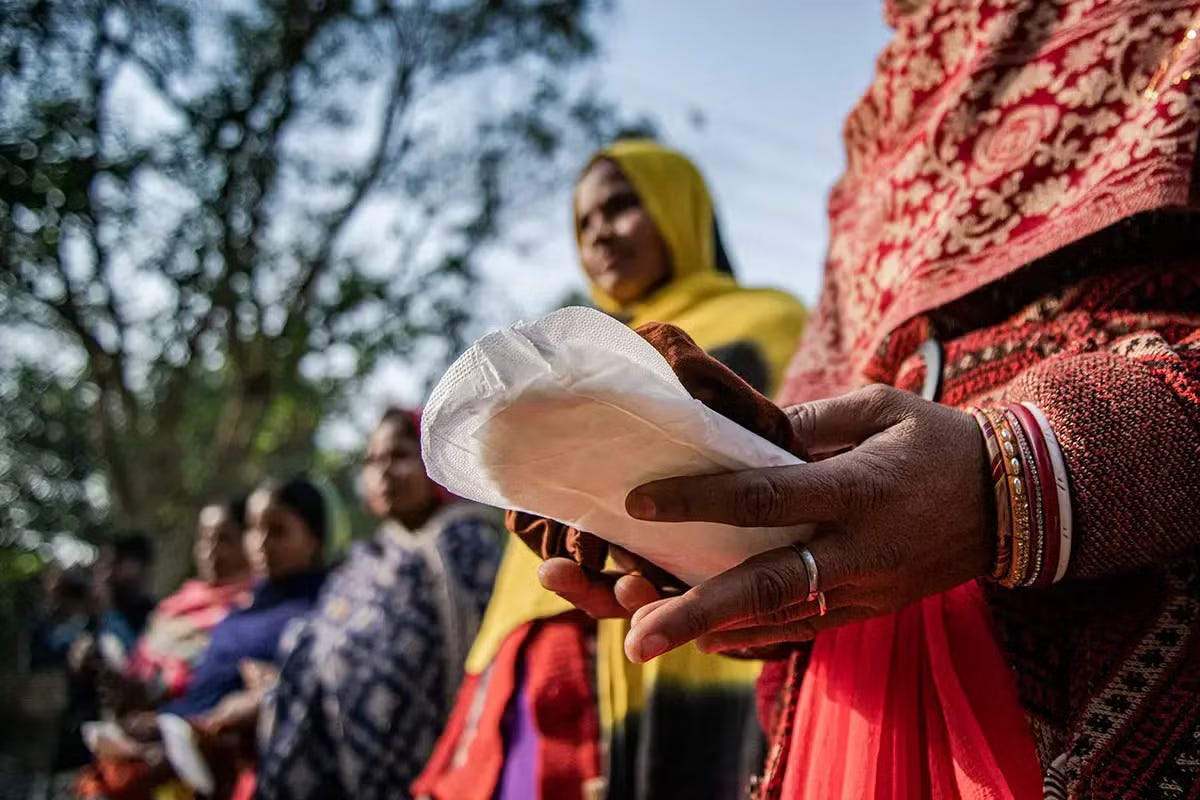
The Indian government is faced with the monumental task of ensuring functional, gender-segregated toilets in all schools and distributing free, biodegradable sanitary pads via vending machines for millions of girls in the wake of a January 30 landmark judgment by the Supreme Court of India declaring menstrual health an integral component of individual fundamental rights.
The ruling moves menstrual hygiene from a welfare scheme to an enforceable right, targeting the reduction of school dropout rates and enhancing gender equality. The Court announced it would follow up after three months to determine how well the mandates have been implemented, which makes India the only country in the world to mandate such a constitutional guarantee.
Equally important toilet scheme
The decision dovetails with an equally important scheme launched in 2014, officially known as the Swachh Bharat Mission or toilet scheme, that could do more than almost anything to cement Prime Minister Narendra Modi’s place in Indian history. It has provided for some of the most basic human sanitation needs for hundreds of millions of poverty-stricken Indians, emphasizing sustainable sanitation, solid waste management, and the construction of new toilets to meet growing demand.
The Swachh Bharat Mission has facilitated the construction of more than 120 million household toilets across India by last September, significantly increasing sanitation access with more than 110 million of them built in rural areas. The scheme in rural India has been of enormous significance for women, not only for dignity and hygiene but by reducing the risk of sexual assault and disease. Previously, more than 70 percent of sexual assaults in some areas occurred when women left home for bowel movements, often at night.
Lack of essential hygiene sparks dropouts
Some 23 million girls drop out of school annually in India due to a lack of proper menstrual hygiene management facilities, including toilets and sanitary products. Nearly 60 percent of girls skip school during their menstrual cycle, with 70 percent unable to afford sanitary pads. The lack of affordable disposable pads causes menstruating girls to use newspaper, old rags, sponges and dried leaves despite the 2011 launch of the Menstrual Hygiene Scheme (MHS) by the Ministry of Health and Family Welfare, a landmark attempt to destigmatize menstruation at a national level, by targeting adolescent girls aged 10–19 with subsidized sanitary pads and menstrual education.
The court’s 127-page judgment mandates all Indian states and union territories to ensure that proper sanitation is essential for dignity and bodily autonomy, not just charity. All public and private schools must install vending machines for eco-friendly sanitary pads and provide, at minimum, “Menstrual Hygiene Management (MHM) corners” in schools, equipped with spare uniforms, underwear and waste disposal systems including soap and disposal bags to ensure the provision of functional, accessible, and gender-segregated toilets in every school with usable water and handwashing facilities and safe environmentally compliant mechanisms for their disposable. It requires integration of gender-responsive education on menstruation and related health concerns into school curricula to break the stigma around puberty and menstruation.
“Despite some progress, menstrual hygiene discourse in India has not been discussed vocally as a fundamental right,” said activist Debanjana Choudhuri. “Onset of menstruation leads to irregular school attendance. Inadequate toilet facilities, lack of privacy, unavailability of sanitary products and fear of embarrassment compel many girl students to remain absent during their menstrual cycle. This has a huge impact on her life choices, economic freedom and her dignity. What begins as a temporary absence frequently develops into an academic difficulty and, in several cases, results in discontinuation of education. She just simply stops going to school.”
“When girls are forced to sacrifice their education or dignity due to biological realities, the harm is constitutional in nature. When a society allows this harm to happen then we fail as a society collectively. If this happens because of stigma or taboo for menstruation, then we have completely failed despite all the years of advocacy and activism in India for gender rights,” said Debanjana Choudhuri, a gender justice activist, emphasizing that the Supreme Court decision on menstruation talks about living with dignity.
There are also the needs of out-of-school adolescents, many of whom belong to the most marginalized communities in India, or those who drop out of school due to early marriage or some other social reason. They also need equal access to menstrual hygiene interventions, as those in formal education. Civil society, communities, and policymakers will be called upon to work together to achieve success.
Global problem as well
The problem is not confined to India. Even in wealthy countries including the US, one in five teens as well as homeless, low-income, and/or imprisoned women struggle to afford products, with four in five missing some class time, according to a 2023 World Bank study. A new report launched by UNICEF and the World Health Organization analyzes for the first time emerging national data on menstrual health and hygiene in schools globally. The report underscores the urgent need for global action to improve menstrual health and hygiene in schools.
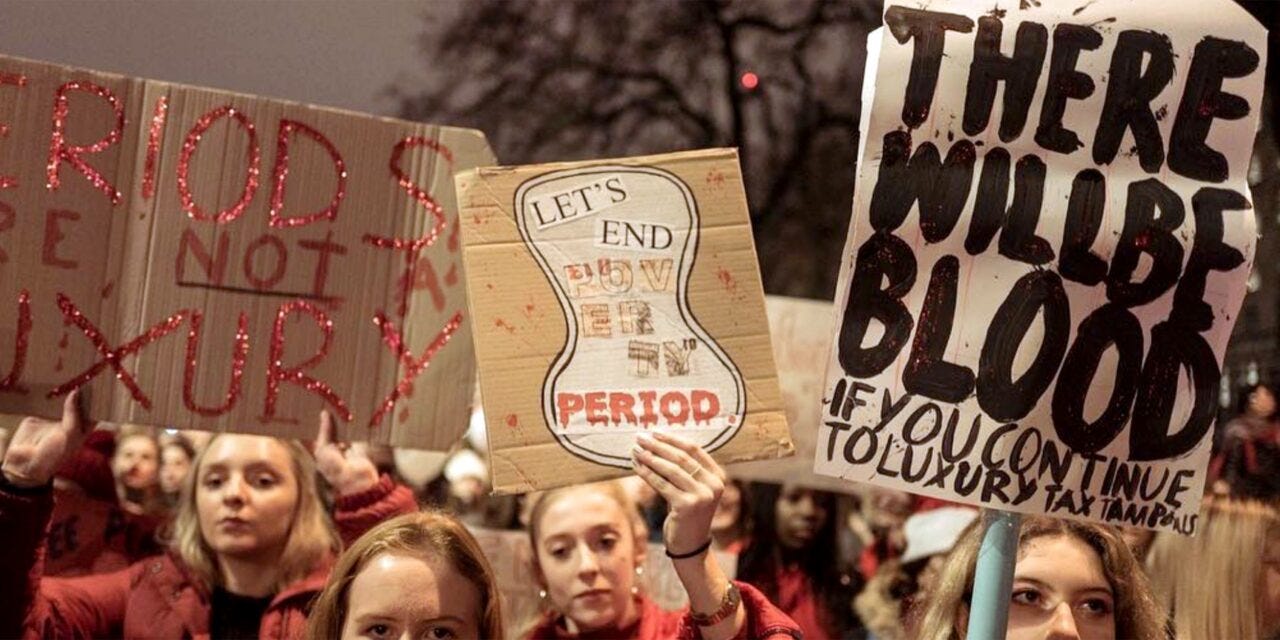
Globally, more than 500 million women lack access to adequate menstrual products and sanitation facilities. Use of sanitary pads leads to a significant reduction in sexually transmitted infections and bacterial vaginosis. Poor menstrual hygiene can pose serious health risks, like reproductive and urinary tract infections. Promoting menstrual health and hygiene is an important means for safeguarding women’s dignity, privacy, bodily integrity, and, consequently, their self-efficacy.
Studies show that menstruation-related stigma and discrimination remain widespread. It is often fuelled by harmful social norms and cultural taboos around menstruation. In some parts of the world, even today, menstruating girls and women are seen as dirty or untouchable, restricting their movement and access to spaces. Myths include that menstruating women and girls should not touch certain food, or it would rot, or enter places of worship as they are unclean, and that they should be isolated.
Shobha Shukla is the award-winning founding Managing Editor and Executive Director of Citizen News Service (CNS). Follow her on X or read her writings here. Shared under Creative Commons (CC)
Well done to India. So many things wrong with the country (as with all nations) but progress on fundamental basic rights to dignified hygiene facilities is to be applauded. It may not be flashy or generally newsworthy, but it makes a huge difference to millions of people.