
By: Salman Rafi Sheikh
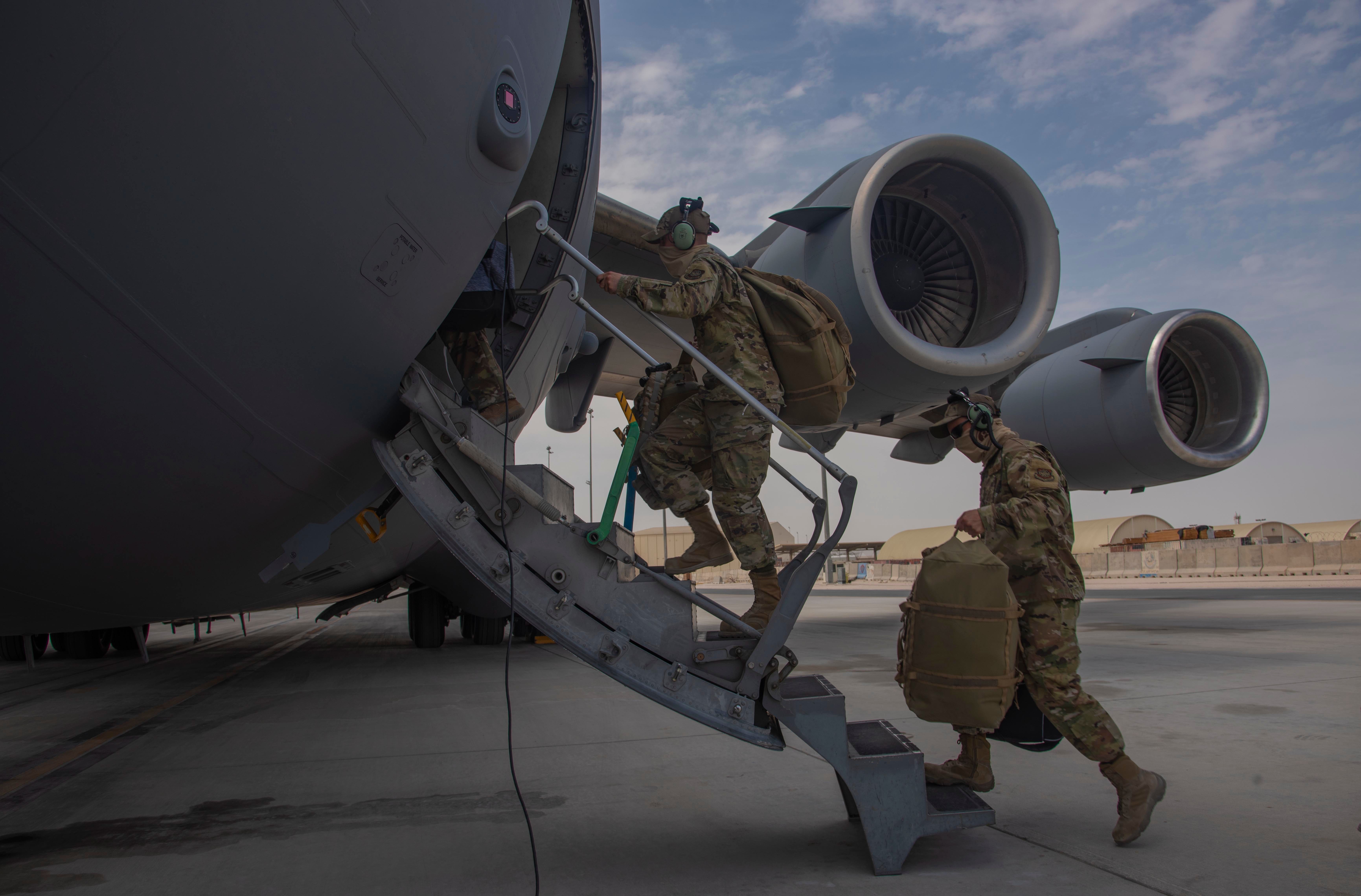

Washington has pulled its last troops out of Iraq. Asia, which buys most of the oil Iraq sells, should not mistake that for freedom.
On September 30, the last American soldiers left Iraq, closing a chapter that opened with the 2003 invasion, paused with the 2011 withdrawal, and reopened in 2014 when US forces returned to fight the Islamic State. Tehran and its Iraqi allies are celebrating what they call a strategic defeat for Washington. They are reading the wrong ledger. The troops are gone. The leverage is not. America has not so much retreated from the Middle East as discovered cheaper ways of exercising power within it.
The vault in Lower Manhattan
Iraq earns roughly 88 percent of government revenue from oil, according to the World Bank, while oil accounts for about 91 percent of its merchandise exports. Those dollars remain tied to the American financial system through an account at the Federal Reserve Bank of New York.
It is a legacy of the post-2003 occupation, when the Coalition Provisional Authority established the Development Fund for Iraq to hold the country’s petroleum revenues. The mechanism has evolved since, but the underlying relationship has endured. The executive order underpinning the arrangement, first issued by George W. Bush, has been renewed by every president since.
The leverage is real. After the 2020 killing of Iranian General Qasem Soleimani in Baghdad, Iraq’s parliament demanded the expulsion of US forces. Washington reportedly warned that Baghdad could lose access to its account at the New York Fed. Iraq ultimately backed away from forcing an immediate American departure. The Pentagon did not need another battalion to make its influence felt. It needed a ledger. Washington has never hidden the broader logic. When the military drawdown was announced in 2024, American officials insisted that the United States was “not withdrawing from Iraq” but transitioning toward an enduring bilateral security relationship. They meant it.
Much of what is transpiring concerns major Asian economies too. A vast share of Iraq’s crude ends up in Asian refineries, with China, India and South Korea among its leading customers. A significant portion of the energy powering Asian industry is therefore purchased from a country whose principal source of state revenue remains deeply embedded in a US-centred financial architecture…
This is a preview sent to free subscribers like you. The full content of this article is available exclusively to our paid subscribers. View the full story here.
To enjoy the complete Asia Sentinel experience and access more in-depth, independent reporting, please consider subscribing for just US$10/month or US$100/year.
Support independent journalism. Subscribe today.