
By: Tom Smith
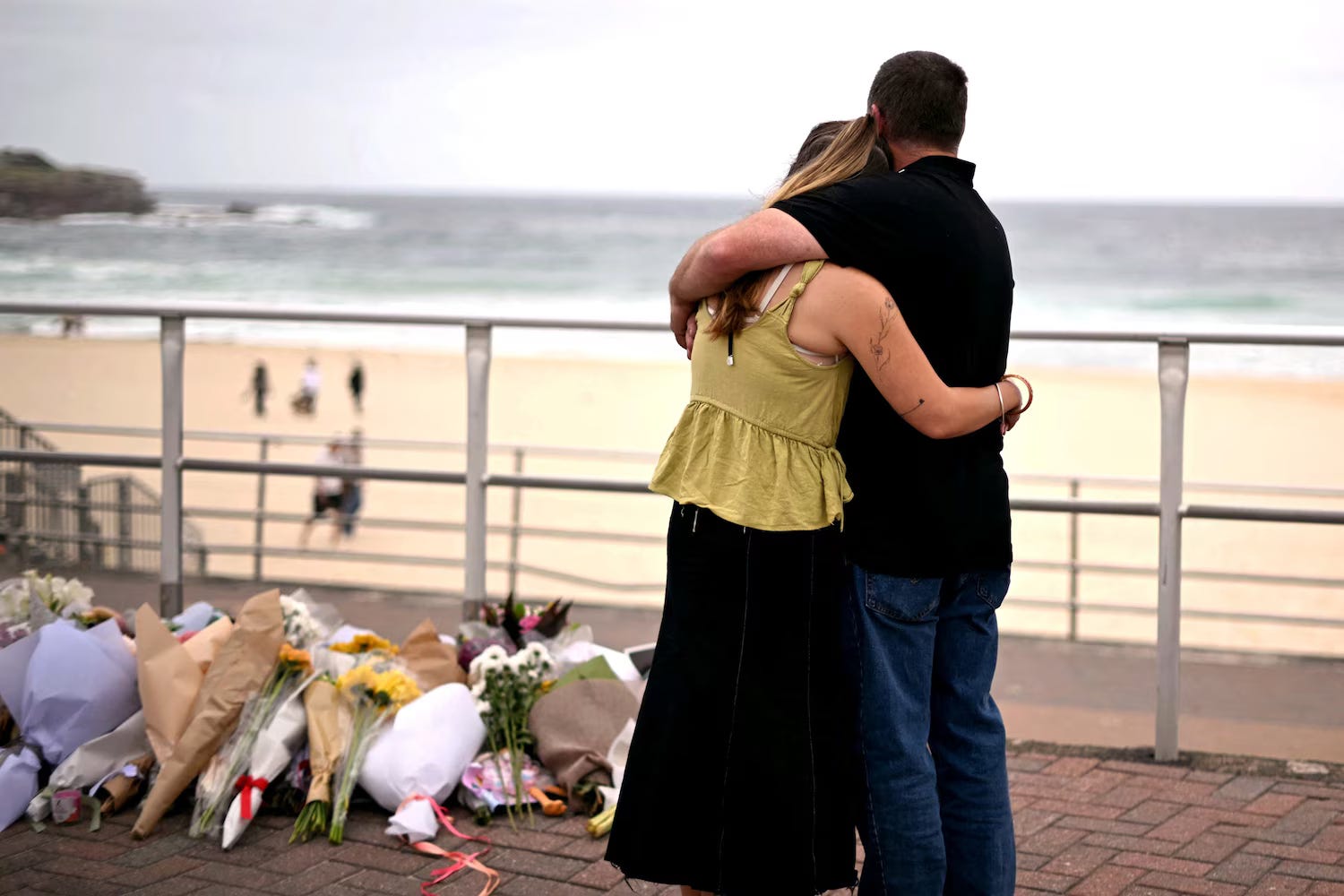
In the days after the Bondi Beach attack, in which 15 people attending a Hannukkah celebration were gunned down by father-son gunmen Sajid and Naveed Akram, one detail travelled fast. The suspects had been to the Philippines. Within hours, that fact started doing a lot of work in headlines and commentary. The trip was quickly framed as “training.” Some reports suggested a camp. Others hinted at a hidden network. Then the local reporting arrived. It was far less cinematic.
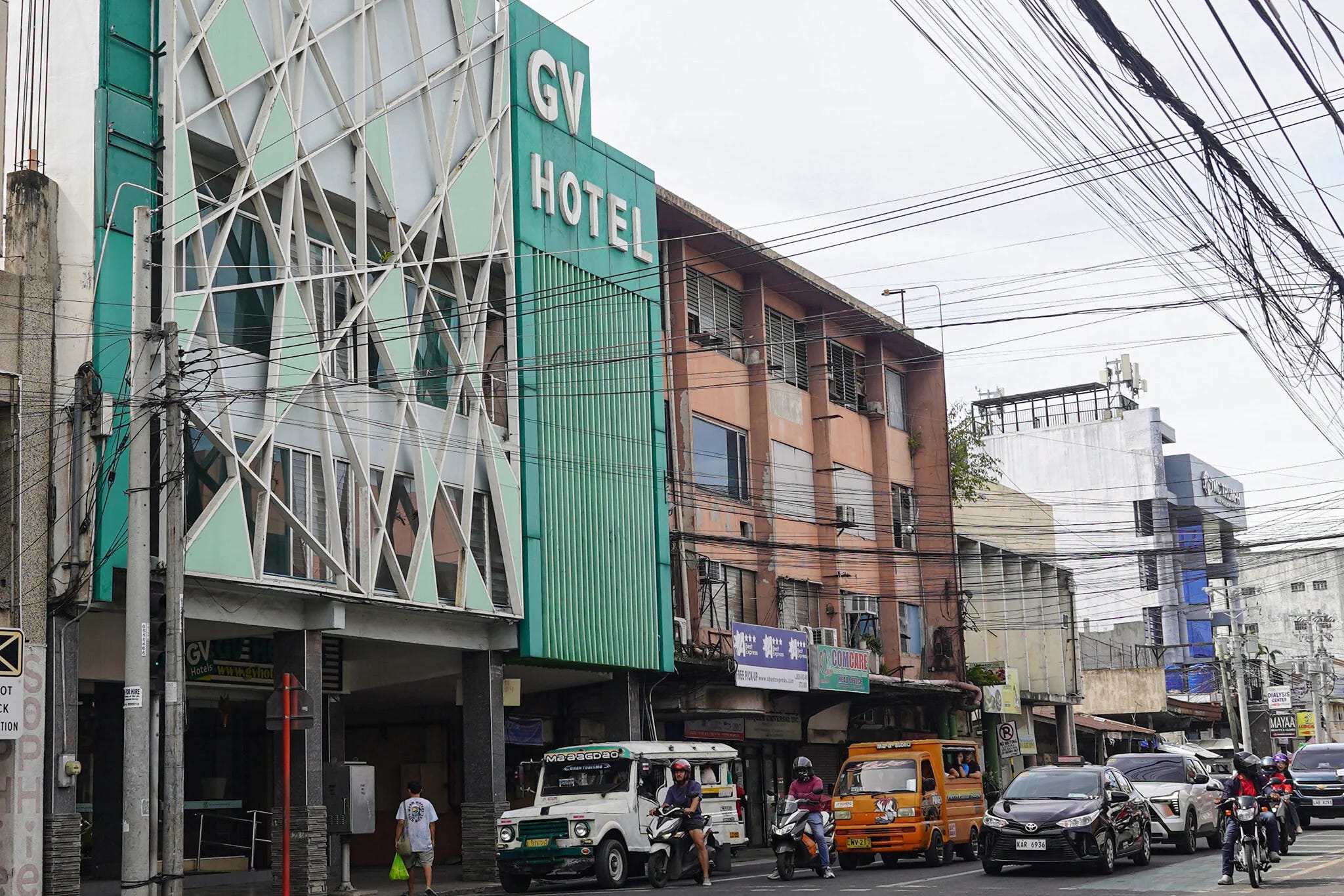
According to hotel staff in Davao City on the southern Philippine island of Mindanao, the two men spent most of November in a budget hotel. They stayed largely in their rooms. The New York Times reported that Sajid and Naveed visited “religious leaders” in the city of Panabo in Davao del Norte, about 30 kilometers away from their hotel. The Sydney Morning Herald separately claimed that one of the suspects’ phones was detected in the town of M’lang in North Cotabato, an area associated with the Bangsamoro Islamic Freedom Fighters (BIFF) and other Islamist threat groups.
They went out briefly each day and were never met by individuals or vehicles at their hotel. They left rubbish from fast-food meals. They asked where to buy durian. Police later checked the room and asked for CCTV, but the hotel’s system only stored a week of footage. In other words, this may not have been the neat story many people wanted.
Philippines becomes a “plot device”
Philippine authorities, in a public statement, said there is no evidence that the two received any military or terrorist training during their visit. The officials added that investigations into their travel are ongoing in coordination with Australia, rejecting claims that the southern Philippines remains a hotspot for extremist training.
This pattern is not new. For two decades, parts of the southern Philippines have been described in the language of global terrorism: “hotbed,” “safe haven,” “sanctuaries,” “breeding grounds.” After 9/11, Mindanao was even branded a “second front” in the global war on terror.
The problem was not that violence didn’t occur. It did, and it still does. The problem was how quickly complex, local conflict was squeezed into a simple international template. A few movements of people. A rumor about funding. A reported “link” and suddenly, a whole region is treated as if it is a single, coherent terrorist infrastructure.
There is also something else going on. The Philippines has often been used to exoticize jihadism. It is the “tropical” setting. The idea of jungles and island hideouts. The sense of a far-flung outpost where the global jihad can be made to look bigger than it is. The jungle-camp trope makes great headlines.
That exotic framing serves two audiences at once. For international media and political debate, it turns a messy reality into a story with clear geography and clear menace. It offers a map with arrows. It makes jihadism look like a single roaming network, hopping from the Middle East to Southeast Asia to the West. For jihadist propaganda, it can also be useful. A new “province” or “wilayah” sounds grand. A distant battlefield suggests momentum. Local actors can borrow those brands to look more powerful, to recruit, and to scare rivals and communities.
Jihadism in the Philippines has repeatedly tried to go global in branding and propaganda. Yet it remains tethered to the Moro conflict, clan politics, criminal economies, and long-running grievances against the state. Those realities are not as exportable as headlines. But they are far more important.
As I told CBS News, established insurgent movements like the MILF and MNLF have their own political logic and territorial control — and it would be highly unusual for them to host outsiders seeking jihadist credentials.
What the Bondi trip actually tells us
Let’s be careful with what we know. Reuters reported the suspects arrived on November 1 and left on November 28, traveling via Manila to Davao and back. CBS reported police were still trying to establish what they did during that period, while Philippine officials publicly rejected claims of confirmed training. MindaNews then filled in crucial details: they appear to have stayed put, in one hotel, for almost the entire month.
“I was surprised to see [the Akrams] in the news. But they were here for tourism, not terrorism,” Emelyn Lorenzo, a massage therapist at the local market, told The Guardian. Authorities have made clear that the investigation into their activities is ongoing and the exact reason for their visit is still unknown.
That should force a reset. A month in a hotel is not nothing. It could still matter. People can meet contacts in cities. They can consume propaganda online anywhere. They can plan in private spaces. But it is not what “terror training camp” implies. And it is certainly not proof that the Philippines was the engine room of the attack.
Why the “camp” story keeps winning
“Terror training in the Philippines” is a familiar script. It has been used again and again to make violence elsewhere feel connected, coordinated, and inevitable. Part of the reason is how terrorism “expertise” has often worked in practice. Certain claims get repeated because they sound plausible and dramatic. They then become self-reinforcing. A phrase like “al-Qaeda-linked” can harden into a default label that few people feel able to challenge. Another reason is that “Mindanao” becomes shorthand. It becomes a single word that stands for danger. But Mindanao is huge. It includes major cities, trade hubs, and universities. Risk is uneven, and it changes over time.
And then there is the policy aftershock. When the Philippines is treated mainly as a node in a global terror web, the “solution” tends to follow the same logic: bigger labels, bigger enemies, bigger military responses. That can mean missing the slower work that actually determines long-term security: governance, justice, community trust, peace processes, and credible local policing.
The post-Marawi period shows what gets lost when the focus narrows. Even when strategies evolve, attention can become fixated on a small number of high-profile jihadist groups and territories, while broader problems and other forms of violence are sidelined. Meanwhile, heavy operations can alienate the very populations the state needs onside, and unresolved “open wounds” like Marawi’s recovery continue to shape trust in government.
There is also a social cost beyond policy. These narratives stigmatize Filipino Muslims and southern communities abroad. They turn ordinary travel into suspicion. They encourage a lazy association between “the Philippines” and “terror” that lingers long after the facts change. Lastly, the tendency to connect the dots elsewhere away from Australia to foreign lands, does the like of Australia no favors. We need to recognize the discomfort in looking inwards for answers on attacks like Bondi before we look outside for simple and false narratives.
Tom Smith, PhD, is academic director of the UK’s Royal Air Force College, Associate Professor in International Relations, Portsmouth Military Education Team, University of Portsmouth, and a researcher on political violence and counterterrorism narratives in Mindanao and Thailand’s deep south
we have removed this comment because it is a gratuitous and unnecessary insult -- Eds.
Hindi po ba tututs, te :) Ibang iba ang Sultan Kudarat sa Butuan, for example po