
A Hong Kong Dissident, Charged With One Crime, is Convicted of Another
Alvin Cheng's treatment underscores the alarming lengths some Hong Kong judges will go to secure convictions
By: Samuel Bickett
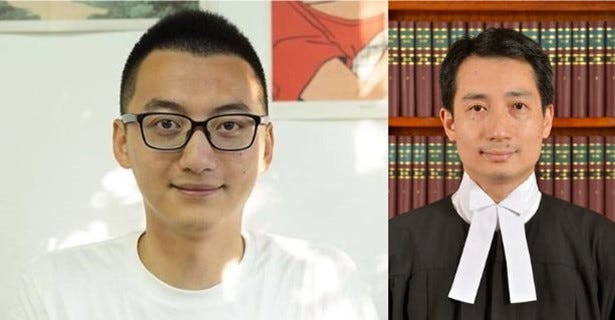
The following article is reprinted with permission from the “Hong Kong Law & Policy” blog on Substack by Samuel Bickett, formerly an American corporate lawyer who was arrested in 2019 for allegedly interfering with a police officer who refused to identify himself and who was beating a youth who reportedly had jumped a turnstile. Bickett was ultimately sentenced to four months and two weeks in jail. The experience turned him into a human rights lawyer. He is now based in Washington, DC as a legal fellow at the Georgetown Center for Asian Law.
Earlier this year, in a courtroom twist that defied reason, well-known Hong Kong localist activist Alvin Cheng Kam-mun began his trial facing charges of ‘perverting the course of justice’ and ended it with a four-and-a-half year sentence for rioting—a crime with which he had not been charged, nor received a trial.
As Cheng and his co-defendants entered the courtroom of District Court Judge Cheng Lim-Chi, only a few spectators filled the gallery. Their alleged crimes, carrying the prospect of just a few months in prison, had garnered far less attention than the hundreds of defendants charged with rioting or national security crimes, crimes that carry the weight of severe, years-long sentences.
Yet by the end of the 13-day trial, Alvin Cheng would be handed just such a sentence for rioting, one of the most serious—and common—charges doled out to those involved in the 2019 pro-democracy protests.
Despite scant evidence of any violence on the part of many defendants, Hong Kong’s judges have managed to manipulate law and evidence to secure a guilty verdict. This is often achieved by mischaracterizing clothing associated with the political movement and protective gear as evidence of rioting. Judge Cheng’s conviction of Alvin, however, is a particularly stark example of the extraordinary measures some judges have been willing to employ to imprison dissidents for “riots” they never actually participated in…