
Iran Feasts in Crisis
The economic logic of optimizing the present
By: Amirreza Etasi
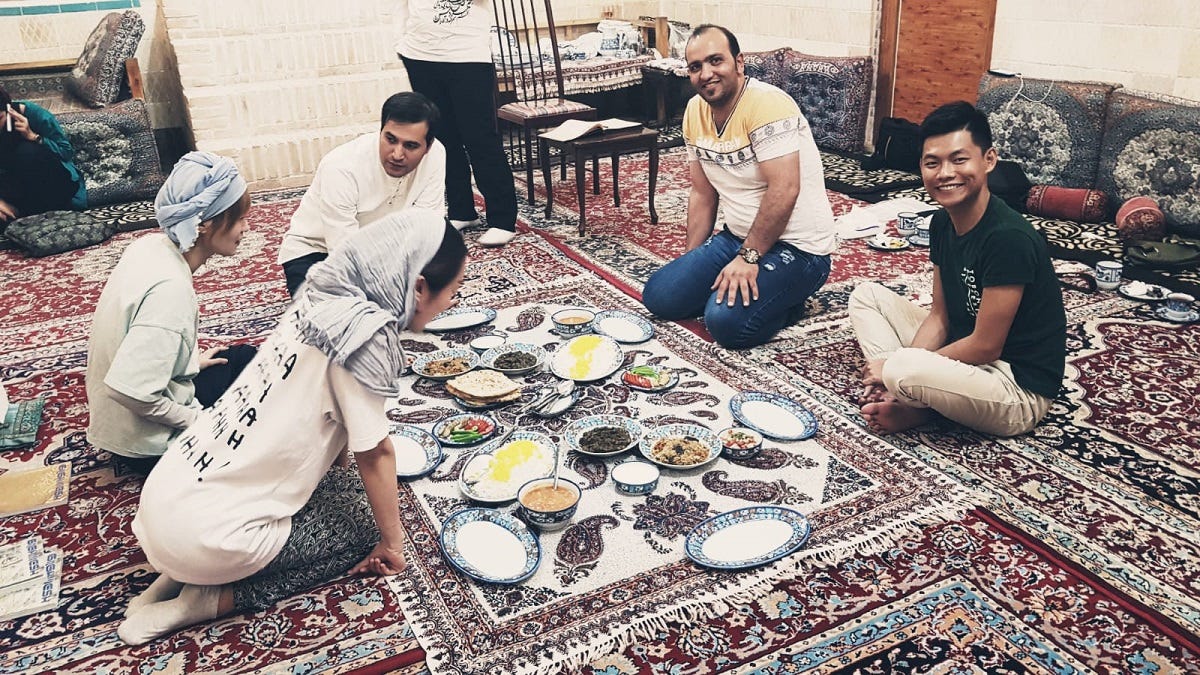
While Iranians endure chronic crisis and eroding purchasing power, patterns of social consumption such as dining out, domestic travel, and maintaining an appearance of well-being persist with remarkable intensity, an irrational allocation of scarce resources. But that is both superficial and insufficient.
This phenomenon, “performative consumption in crisis,” follows a deep, historical logic. It is a complex survival strategy rooted in institutional instability, a unique cultural logic based on social capital and psychological mechanisms for managing uncertainty.
Iran's history is a chronicle of institutional rupture. From the Mongol invasions to the great Qajar famine, the economic pressures of the World Wars during the Pahlavi era, and the instabilities of the 20th century, the collective Iranian memory has been forged by a single reality: formal institutions are fragile and the future is profoundly unpredictable.
When there is no secure future to invest in, optimizing the present becomes the most logical strategy. This is the very logic that drives Iranian citizens today, facing runaway inflation, to convert their rials into a lived experience – a trip, a restaurant meal – rather than saving for an unknowable tomorrow…
This is a preview sent to free subscribers like you. The full content of this article is available exclusively to our paid subscribers.
To enjoy the complete Asia Sentinel experience and access more in-depth, independent reporting, please consider subscribing for just US$10/month or US$100/year.
Support independent journalism. Subscribe today.